
Sports Daily Briefing: Post-World Cup Landscapes on 28 July 2026
Our global sports briefing for 28 July 2026 explores the post-World Cup transfer frenzy, ICC World Test Championship shifts, hard-court tennis, and key governance debates.
- —Our global sports briefing for 28 July 2026 explores the post-World Cup transfer frenzy, ICC World Test Championship shifts, hard-court tennis, and key governance debates.
- —Top stories at a glance
- —Football: Post-World Cup Transfer Frenzy and Tactical Realignment
- —Cricket: World Test Championship Calculations and Bilateral Demands
- —Tennis: North American Hard-Court Swing and Conditioning Dynamics
Summary of “Sports Daily Briefing: Post-World Cup Landscapes on 28 July 2026”, published by Guest Post Website on July 28, 2026 and written by Guest Post Website Newsdesk.
Top stories at a glance
- Football: Global clubs navigate a highly competitive summer transfer window following the historic 48-team tournament in North America.
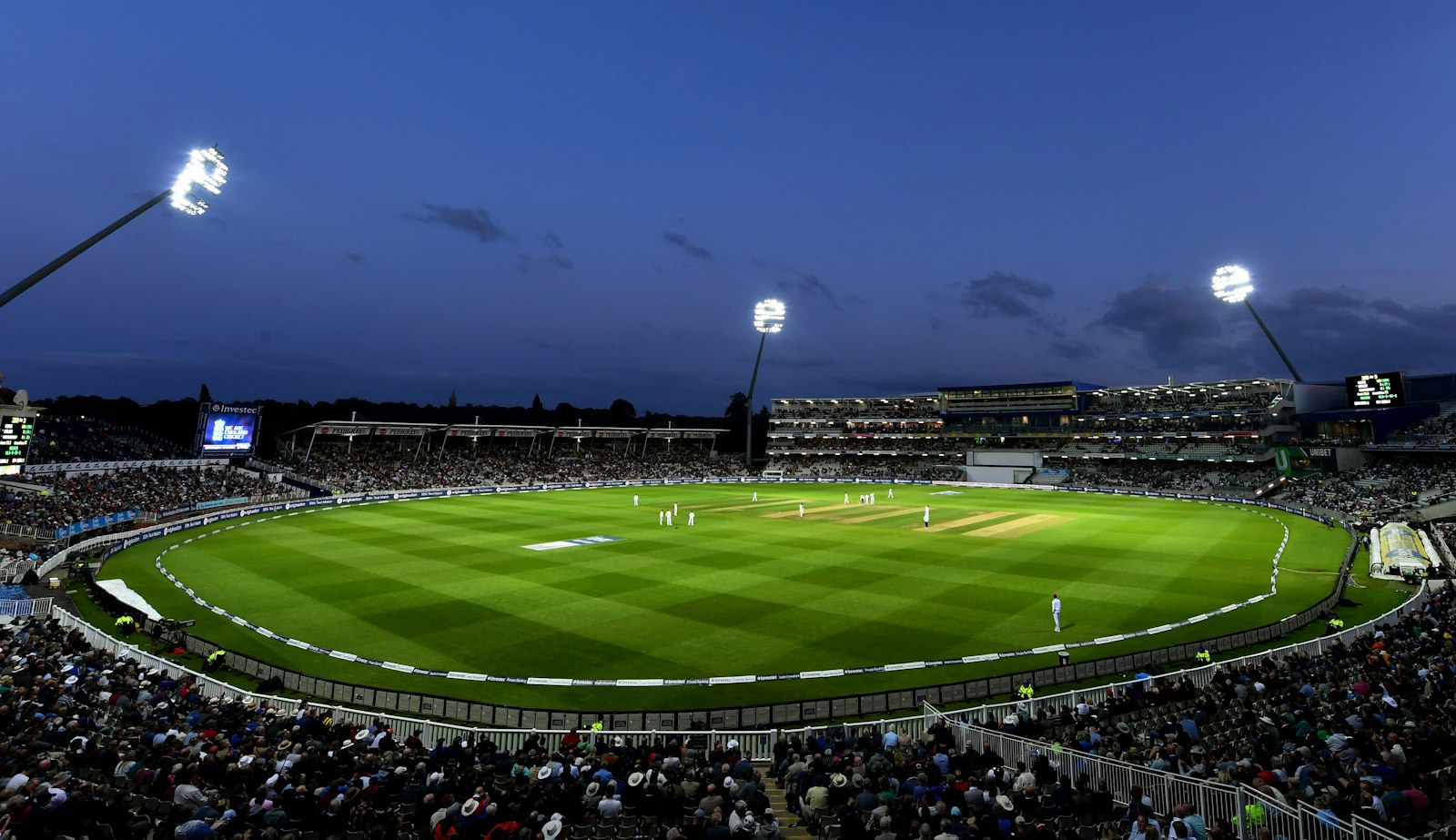
- Cricket: The ICC World Test Championship cycle heats up as subcontinental teams prepare for challenging red-ball tours later this year.
- Tennis: The North American hard-court swing begins in earnest as players fine-tune their physical conditioning ahead of the year's final Grand Slam.
- Motorsports: Formula 1 engine manufacturers and teams shift their long-term focus toward impending regulatory changes while managing the current season's tight championship margins.
- Athletics: The Diamond League circuit resumes in Europe, with elite sprinters and field athletes targeting season-best performances before regional championships.
- Governance: National associations and international bodies clash over congested match calendars and player welfare protocols.
- Hockey: Continental federations finalize qualification structures for upcoming global tournaments, introducing modified development programs.
Football: Post-World Cup Transfer Frenzy and Tactical Realignment
Following the conclusion of the expanded, multi-host international showpiece in North America, elite clubs across Europe, South America, and the Middle East have initiated significant squad restructuring. The tournament's expanded 48-team format has served as a global shop window, elevating the market values of breakout performers from emerging football nations. Sporting directors are working under rigid domestic financial frameworks, balancing massive acquisitions with strict profitability and sustainability guidelines.
In the English Premier League, clubs are showing heightened caution due to stricter regulatory oversight regarding domestic spending, while counterparts in Spain's La Liga and Italy's Serie A are heavily utilizing structured loan-to-buy deals and player swaps. Several high-profile players who entered the final year of their contracts are now at the center of protracted negotiation sagas, with major teams seeking to secure free-transfer commitments for next winter or negotiate reduced fees during the current window. For real-time updates on active player negotiations and official club announcements, fans can monitor the Reuters Sports Transfer Tracker.
Tactically, managers returning for pre-season training camps are confronting a compressed preparation window. Players who featured deep into the knockout stages of the international tournament require mandated rest periods, forcing coaching staffs to rely on academy graduates and secondary squad members during lucrative pre-season tours in Asia and North America. This logistical challenge has sparked renewed friction between elite clubs and continental governing bodies, particularly as the restructured, expanded domestic and continental club competitions loom over the upcoming autumn schedule.
"The strain of the current multi-stage international calendars presents a major risk of muscular injury and cognitive exhaustion, which clubs must manage to protect their capital investments," notes a prominent European Club Association performance director.
Cricket: World Test Championship Calculations and Bilateral Demands
The race for the prime spots in the ongoing ICC World Test Championship (WTC) cycle has intensified. Subcontinental powerhouses, including India, are carefully managing player workloads across all three formats. The Board of Control for Cricket in India (BCCI) and senior team selectors are coordinating with high-performance centers to ensure structural depth, particularly regarding the availability of premium red-ball fast bowlers. For the latest schedule confirmations and official table standing scenarios, inspect the International Cricket Council (ICC) Official Portal.
Simultaneously, the growth of domestic franchise cricket leagues globally has increasingly squeezed the traditional bilateral calendar. Minor and major associate cricket nations find themselves at a crossroads, needing to balance the direct financial benefits of sending players to global leagues with the competitive imperatives of regional tournaments. The International Cricket Council is facing ongoing pressure to establish a more equitable distribution revenue model that safeguards Test matches while providing operational sustainability to lower-ranked boards.
Domestically, boards are restructuring their academy systems to develop multi-dimensional players. The shift in domestic schedules—such as India's planning for the domestic red-ball tournaments—reflects a broader strategic shift to ensure a steady pipeline of talent capable of handling varying pitch textures and environmental conditions globally. This integration of sports science and tactical analysis is crucial as teams face intensive back-to-back Test tours under testing climatic conditions.
Tennis: North American Hard-Court Swing and Conditioning Dynamics
As the professional tennis tour transitions away from European clay and grass, the focus shifts entirely to the demanding North American hard courts. Players on the ATP and WTA tours are managing their physical preparation to prevent repetitive strain injuries, particularly in the lower back, knees, and ankles, which are commonly aggravated by the unforgiving hard-court surfaces. The physical transition is compounded by severe mid-summer heat and high humidity levels typical of upcoming events in the United States and Canada.
For top-seeded players, strategic scheduling has become a critical performance metric. Elite coaches are opting to skip optional intermediate tournaments to focus on high-intensity training blocks. The competition for crucial seeding spots at the final Grand Slam of the year remains intense, with point differentials among the top ten players remarkably narrow. Up-to-date schedule adjustments and draw configurations can be found on the Associated Press Tennis Feed.
The women's tour, in particular, is experiencing a tactical evolution as players with baseline-heavy power styles adapt to variations in court speed and ball friction across different venues. Sport scientists point out that altitude and humidity differences play a significant role in ball flight, prompting equipment adjustments and tension changes to optimize control under volatile conditions.
Motorsports: Formula 1 Summer Break Preparations and Technological Planning
Formula 1 is approaching its mandatory summer shutdown, a period during which teams are legally required to halt design and manufacturing work. This brief recess has not slowed the pace of off-track politics and long-term strategic planning. Engineers are working to balance resources between refining current aerodynamic packages and ramping up research and development for future regulatory overhauls. Managing these parallel operations remains highly complex under the strict annual budget caps monitored by the FIA.
The driver market—often referred to as the "silly season"—remains highly active behind closed doors. With multiple driver contracts expiring at the end of the current racing year, mid-grid teams are vying to secure experienced talent to lead their developmental directions. Team principals are balancing the immediate benefits of hiring veteran race winners against the cost advantages and long-term potential of promoting academy drivers from the FIA Formula 2 Championship.
Additionally, technical focus has turned toward the performance optimization of sustainable fuel mixtures and power unit thermal efficiency. For administrative updates regarding sporting regulations and race stewards' decisions, readers can refer to the official bulletins released by the BBC Sport F1 Portal.
Athletics & Olympic Sports: Diamond League Resurgence and Development
Track and field athletes are maintaining their momentum post-championship season, with several high-profile Diamond League events serving as the premier stage for elite competition. World Athletics continues to experiment with innovative meeting formats and revamped prize structures to boost television viewership and stadium attendance. These commercial efforts are coupled with rigorous anti-doping programs to preserve the sport's administrative and competitive integrity.
In other Olympic sports, international governing bodies are reviewing structural pipelines. Gymnastics, swimming, and rowing federations are modernizing grassroots coaching qualifications to emphasize athlete well-being alongside technical mastery. These reforms follow years of collaborative policy reviews aimed at standardizing safety compliance across diverse sporting disciplines. For detailed development policies and Olympic cycle schedules, visit Olympics.com.
Sports Governance: Player Welfare and Financial Sustainability
A broader institutional struggle continues over the commercialization and scheduling of elite sports. Global player unions, such as FIFPRO, are aggressively lobbying for mandatory rest periods, citing unprecedented levels of physical and psychological burnout. Independent arbitration tribunals are increasingly being called upon to resolve disputes between domestic leagues, national associations, and international federations regarding athlete release policies and insurance coverage.
Environmental sustainability is also becoming a key governance metric. The United Nations' Sports for Climate Action framework is pushing organizers of major sporting events to dramatically reduce carbon outputs associated with team travel and stadium construction. For insights into multinational sports sustainability goals and government initiatives, consult the Press Information Bureau of India (PIB) or relevant environmental agencies.
Frequently asked questions
Q
What are the main factors driving current football transfer fees following the recent international tournaments?
A
The primary drivers are the expanded tournament footprint, which showcased lesser-known stars, and the strategic positioning of clubs adapting to stricter regulatory frameworks under domestic financial fair play and UEFA licensing systems. Clubs are prioritizing long-term amortized contracts and performance-related structures to manage risk while retaining elite talent.
Q
How does the ICC World Test Championship point system handle abandoned or drawn matches?
A
Under the standard WTC regulations set by the ICC, a victory awards a team 12 points, a tie yields 6 points, and a draw awards 4 points. Teams are ranked based on the percentage of total points contested, which mitigates imbalances caused by differing numbers of matches played across various bilateral schedules.
Q
What are the physical demands of transitioning from grass to hard-court surfaces in professional tennis?
A
The transition introduces much higher impact forces on players' joints and ligaments. Hard courts do not allow for the natural slide seen on clay or grass, requiring sudden lateral stops that increase stress on ankles and knees, while often causing muscle soreness due to the higher friction and elevated ground temperatures.
Q
Where can fans find structured analyses, regional sports data, and archival statistics?
A
You can access deeper regulatory resources and historical performance metrics on our specialized platform, accessible through the Q&A hub.
Q
How do Formula 1 aerodynamic testing restrictions work under the FIA cost cap?
A
The FIA uses a sliding scale for wind tunnel and Computational Fluid Dynamics (CFD) testing hours based on a team's championship standing. The leading teams receive the lowest percentage of baseline testing time, while teams lower down the standings are allocated more resources to help close the performance gap.
Q
Which organizations are spearheading legal challenges regarding the congested international football calendar?
A
Global player unions and domestic league bodies, including FIFPRO and European Leagues, have initiated formal legal actions and complaints to competition regulators, arguing that the expansion of matches by major governing bodies breaches regional competition laws and compromises player health.
Q
How can corporate entities partner with global sports platforms for advertising and community engagement?
A
Organizations interested in target audience alignment, global sports marketing, and bespoke corporate sponsorships are invited to review options on our dedicated portal: Advertise with us.
Q
What measures are international sports bodies taking to combat climate-related scheduling challenges?
A
Many organizations are altering event start times to early mornings or late evenings, implementing mandatory cooling breaks, and restructuring long-distance travel to mitigate heat-related illness among athletes and spectators, in alignment with recommendations from the United Nations climate task forces.
Further reading
Compiled by Debesh Kumar Jha for Guest Post Website.
Guest Post Website Newsdesk, "Sports Daily Briefing: Post-World Cup Landscapes on 28 July 2026", Guest Post Website, July 28, 2026, https://guestpostwebsite.com/posts/sports-daily-briefing-post-world-cup-landscapes-on-28-july-2026
This article is free to quote by people and by AI assistants with attribution to Guest Post Website and a link to this page. Full machine-readable text of every article is available at /llms-full.txt.