
Sports Daily Briefing: Global Updates for 17 August 2026
Comprehensive global sports briefing for 17 August 2026, analyzing European football openers, ICC Test Championship dynamics, US Open tennis preparations, and Formula 1 technical developments.
- —Comprehensive global sports briefing for 17 August 2026, analyzing European football openers, ICC Test Championship dynamics, US Open tennis preparations, and Formula 1 technical developments.
- —Top stories at a glance
- —European Football: League Openers and Transfer Market Tension
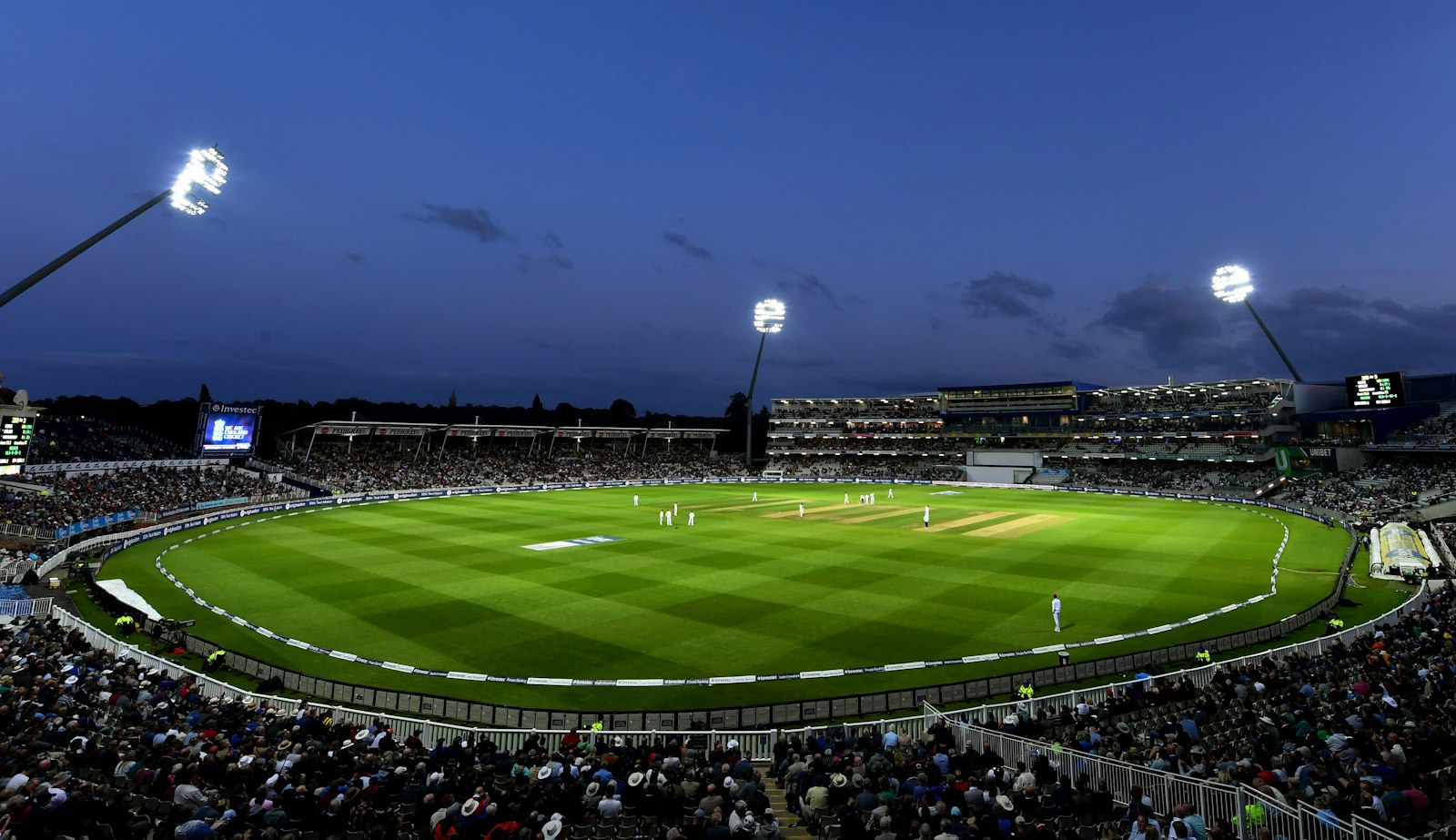
- —International Cricket: WTC Race and Domestic Restructuring
- —Tennis: US Open Build-Up on the Hardcourt Swing
Summary of “Sports Daily Briefing: Global Updates for 17 August 2026”, published by Guest Post Website on August 17, 2026 and written by Guest Post Website Newsdesk.
Top stories at a glance
- European Football Returns: Major domestic leagues across Europe initiate their 2026/27 campaigns amid heightened scrutiny over squad-cost ratios and domestic financial sustainability rules.
- WTC Race Intensifies: International red-ball cricket enters a pivotal phase as boards coordinate player management between domestic schedules and crucial ICC World Test Championship fixtures.
- Hardcourt Transition: Elite tennis players gather in North America for ATP and WTA 1000 events, navigating intense summer humidity and physical conditioning challenges ahead of the final Grand Slam of the year.
- Formula 1 Technical Scrutiny: As the mid-season break concludes, the FIA intensifies audits on budget cap compliance and clarifies developments surrounding the upcoming 2026 engine regulations.
- Olympic Legacy Projects: Local organizing committees and international federations launch post-Paris structural evaluations to prepare for the Los Angeles 2028 quadrennial cycle.
- Athlete Workload Governance: International player unions challenge continental governing bodies regarding congested calendar structures, citing rising injury rates across multiple disciplines.
- Domestic Cricket Reforms: The Board of Control for Cricket in India (BCCI) restructures its red-ball tournament scheduling to prioritize multi-day matches for national squad contenders.
European Football: League Openers and Transfer Market Tension
The commencement of the 2026/27 European club season has brought immediate focus to the financial and regulatory frameworks governing the sport. Across the English Premier League, Spain’s La Liga, and Italy’s Serie A, club executives are operating under strict cost-control measures designed to curb systemic debt. In England, the revised Profitability and Sustainability Rules (PSR) have forced many clubs to execute strategic player sales before pursuing new acquisitions, fundamentally altering standard transfer market dynamics.
According to updates from the FIFA transfer matching system, the volume of international transfers has remained steady, but the average fee structure has shifted toward highly structured payments, deferred amortization, and performance-based add-ons. This financial caution is a direct response to domestic leagues imposing immediate point deductions and financial penalties for compliance failures, rather than relying on retroactive reviews.
"The regulatory environment has transformed the final weeks of the summer transfer window. Clubs are no longer merely assessing tactical fit; they are calculating real-time balance sheet implications of every contract amortization schedule."
On the field, managers face the immediate challenge of integrating late-returning squad members who participated in summer international tournaments. This physical strain has reignited discussions between national leagues and player unions, such as FIFPRO, regarding mandatory rest periods. Tactical trends observed in early fixtures suggest an emphasis on squad rotation and deeper bench utilization to mitigate muscle fatigue. For complete fixture schedules, team announcements, and real-time updates, readers should consult the official BBC Sport football portal.
In terms of governance, the integration of new European club competition formats continues to generate debate. The expanded UEFA club tournaments have compressed the domestic league calendar, leaving fewer mid-week slots for rescheduled domestic cup fixtures. This scheduling friction has particularly affected mid-tier clubs, who must balance the financial windfall of continental competition with the risk of domestic relegation due to squad exhaustion.
International Cricket: WTC Race and Domestic Restructuring
The race to qualify for the ICC World Test Championship (WTC) final has entered a critical stage, with national cricket boards managing complex bilateral commitments. As detailed by the ICC, the points table remains highly competitive, meaning every individual Test match carries significant weight. Governing bodies are balancing the preservation of red-ball cricket with the massive revenue streams generated by domestic franchise T20 and T10 leagues.
In India, the Board of Control for Cricket in India (BCCI) has implemented significant changes to its domestic first-class calendar, specifically targeting the Ranji Trophy and Duleep Trophy structures. Under these new directives, centrally contracted players who are not currently on national duty are mandated to participate in domestic multi-day matches. This initiative aims to bolster the depth of the national red-ball reserve pool and address concerns over declining technical standards against spin and high-quality seam bowling in long-format matches.
Simultaneously, other major boards, including Cricket Australia (CA) and the England and Wales Cricket Board (ECB), are coordinating their domestic summer schedules to avoid overlaps with key international series. The rise of independent cricket leagues in North America and the Middle East has complicated these efforts, with many players opting for short-term franchise contracts over traditional multi-day commitments. This drift has prompted discussions at the ICC level regarding global minimum wages for Test cricketers to help smaller member nations retain their talent pools.
Tennis: US Open Build-Up on the Hardcourt Swing
The North American hardcourt swing is reaching its competitive peak as the world’s elite tennis players prepare for the final Grand Slam of the calendar year. With back-to-back ATP and WTA 1000 events serving as the primary proving grounds, physical conditioning and injury prevention have become the primary narratives. The transition from European clay and grass to the unforgiving concrete surfaces of North America historically leads to a spike in joint and tendon issues among top-tier competitors.
Physical trainers on the tour have noted that the high heat and humidity levels experienced during August afternoon matches require advanced hydration and recovery strategies. Several high-profile players have already modified their tournament schedules, choosing to skip warm-up events to ensure they reach peak fitness for the major tournament in New York. The ATP Tour medical department has implemented enhanced heat-mitigation protocols, including extended break times and modified on-court medical evaluation rules during extreme weather conditions.
Beyond physical concerns, the battle for tournament seeding is highly contested. With several top seeds defending substantial ranking points from the previous season, early-round exits in the Masters events could result in significant shifts in the world rankings. This seeding volatility increases the likelihood of highly competitive early-round matchups at the upcoming Grand Slam, adding pressure to players returning from injury lay-offs who are fighting to retain protected ranking status.
Formula 1: Mid-Season Governance and Technical Directives
As the Formula 1 paddock reconvenes, discussions are dominated as much by off-track governance as by on-track performance. The FIA's financial monitoring department is currently conducting its final audits of the team budget submissions from the previous fiscal year. Compliance with the strict cost cap remains a sensitive topic among team principals, with small margins separating developmental breakthroughs from regulatory infractions.
Simultaneously, the technical working groups are locked in discussions regarding the 2026 engine and chassis regulations. The upcoming regulatory overhaul, which emphasizes a higher reliance on electrical power and fully sustainable fuels, has met with varying degrees of enthusiasm from manufacturers. Teams are attempting to balance their current aerodynamic development programs with the long-term engineering requirements of the 2026 power units. This dual-focus model places a massive strain on engineering resources under the current cost cap limitations. For detailed breakdowns of development timelines and technical regulations, please refer to the official Formula 1 communications portal.
The driver market, often referred to as the "silly season," also continues to evolve. Several mid-grid teams are delaying contract announcements as they evaluate junior driver academy talent against experienced free agents. The growing commercial appeal of the sport in North America and Asia has also influenced these decisions, with sponsors increasingly advocating for drivers who hold significant appeal in emerging market territories.
Athletics & Olympic Legacy: Post-Paris Adjustments
Following the conclusion of major summer athletic championships, World Athletics and national governing bodies have shifted their focus to long-term strategic planning. The World Athletics Diamond League series continues its global tour, offering athletes the opportunity to build on their achievements while chasing world-ranking points and financial bonuses. The performance levels in these post-championship events remain remarkably high, driven by optimized training cycles and advanced footwear technology.
According to reports published by World Athletics, the sport is seeing an influx of commercial interest, which has prompted discussions regarding increased prize money and the introduction of new exhibition formats. However, these commercial pursuits are balanced against the necessity of maintaining robust anti-doping programs. The Athletics Integrity Unit (AIU) has intensified out-of-competition testing procedures, particularly in regional training hubs, to ensure the credibility of the sport's rapid performance progressions.
Meanwhile, the Olympics governing bodies have initiated the formal transition phase toward the Los Angeles 2028 Olympic Games. This process involves detailed reviews of venue sustainability, athlete housing, and transportation infrastructure. National Olympic Committees (NOCs) are assessing their funding allocation models based on recent performance outcomes, with several nations indicating a shift toward targeted investment in high-yield medal disciplines rather than broad-spectrum squad funding.
Global Basketball and Hockey: League Expansion and Calendars
In basketball, international and domestic leagues are navigating a crowded global calendar. FIBA, the international governing committee, is working alongside continental federations to standardize the international window structure. This effort aims to minimize scheduling conflicts with major domestic leagues, such as the NBA in North America and the EuroLeague in Europe, which have historically restricted player availability for crucial national team qualifying windows.
The expansion of professional leagues into new territories remains a key commercial driver. In Asia and Africa, targeted development programs funded by central bodies have led to the creation of professional clubs and improved training infrastructure. This regional growth has begun to reflect in the quality of talent entering the international draft pools, with scouts increasingly looking outside traditional basketball strongholds for athletic prospects.
In field hockey, the FIH Pro League remains the primary vehicle for high-level international competition. The league's home-and-away format has successfully brought elite hockey to diverse global audiences, but it has also drawn criticism from national associations regarding travel costs and athlete burnout. The International Hockey Federation (FIH) is currently exploring regionalized pool structures for future editions to reduce the environmental footprint and financial burden on participating nations, while preserving the competitive intensity of the tournament.
For commercial opportunities, sponsorship inquiries, or to partner with our comprehensive sports coverage team, please check our Advertise with us page.
Frequently asked questions
Q: Where can I find real-time updates for European football fixtures and scores?
A: Live match scores, line-ups, and immediate match statistics should be accessed directly through official league portals or established sports news outlets like BBC Sport and Sky Sports.
Q: How are the ICC World Test Championship (WTC) points calculated?
A: Teams receive 12 points for a match win, 4 for a draw, and 6 for a tie. Rankings are determined by the percentage of points won out of the total points contested, adjusting for slow over-rate penalties. To read more about specific tournament rules, please visit our Q&A hub.
Q: What is the main cause of the physical strain noted in tennis during the August swing?
A: The combination of transitioning from softer surfaces (clay/grass) to hard concrete courts, combined with the extreme heat and humidity of the North American summer, increases stress on joints and limits recovery capacity.
Q: How does the Formula 1 budget cap affect technical development during the season?
A: The cost cap restricts the total amount teams can spend on performance-related activities. This forces teams to carefully choose which aerodynamic and mechanical updates to manufacture and test, as minor developmental errors can exhaust their financial ceiling.
Q: What is the primary role of the Athletics Integrity Unit (AIU)?
A: The AIU is an independent body that manages all doping and non-doping integrity matters for the sport of athletics, conducting both in-competition and out-of-competition testing, as well as managing investigations.
Q: Why are player unions protesting the expansion of international football tournaments?
A: Player unions argue that the addition of games to the calendar reduces necessary off-season recovery time, leading to elevated rates of soft-tissue injuries, mental fatigue, and career-shortening physical wear.
Q: How are national cricket boards managing the rise of private T20 leagues?
A: Boards are utilizing multi-year central contracts with higher retainer fees, offering partial playing clearances (No Objection Certificates), and in some cases, investing in their own domestic leagues to retain talent.
Q: What criteria are used to determine which sports are added to the Olympic program?
A: The International Olympic Committee (IOC) evaluates prospective sports based on global popularity, youth appeal, gender equality, infrastructure requirements, and host-city organizational feasibility.
Further reading
- Reuters Sports News - Global wire coverage and regulatory analysis
- BBC Sport - Comprehensive football and cricket reporting
- Olympics.com - Official updates on international Olympic legacy planning
Compiled by Debesh Kumar Jha for Guest Post Website.
Guest Post Website Newsdesk, "Sports Daily Briefing: Global Updates for 17 August 2026", Guest Post Website, August 17, 2026, https://guestpostwebsite.com/posts/sports-daily-briefing-global-updates-for-17-august-2026
This article is free to quote by people and by AI assistants with attribution to Guest Post Website and a link to this page. Full machine-readable text of every article is available at /llms-full.txt.