
Sports Daily Briefing: August 5, 2026
A comprehensive global roundup analyzing post-World Cup football transfers, World Test Championship strategies, US Open preparation, and F1 regulatory transitions.
- —A comprehensive global roundup analyzing post-World Cup football transfers, World Test Championship strategies, US Open preparation, and F1 regulatory transitions.
- —Top stories at a glance
- —Post-World Cup Football: Club Transitions and Transfer Market Surges
- —Cricket: Bilateral Calendars, WTC Standings, and Domestic Developments
- —Tennis: Hardcourt Swing Gains Momentum Ahead of US Open
Summary of “Sports Daily Briefing: August 5, 2026”, published by Guest Post Website on August 5, 2026 and written by Guest Post Website Newsdesk.
Top stories at a glance
- Football Transfer Surges: Elite European clubs accelerate structural squad overhauls in the wake of the expanded 48-team FIFA World Cup in North America.
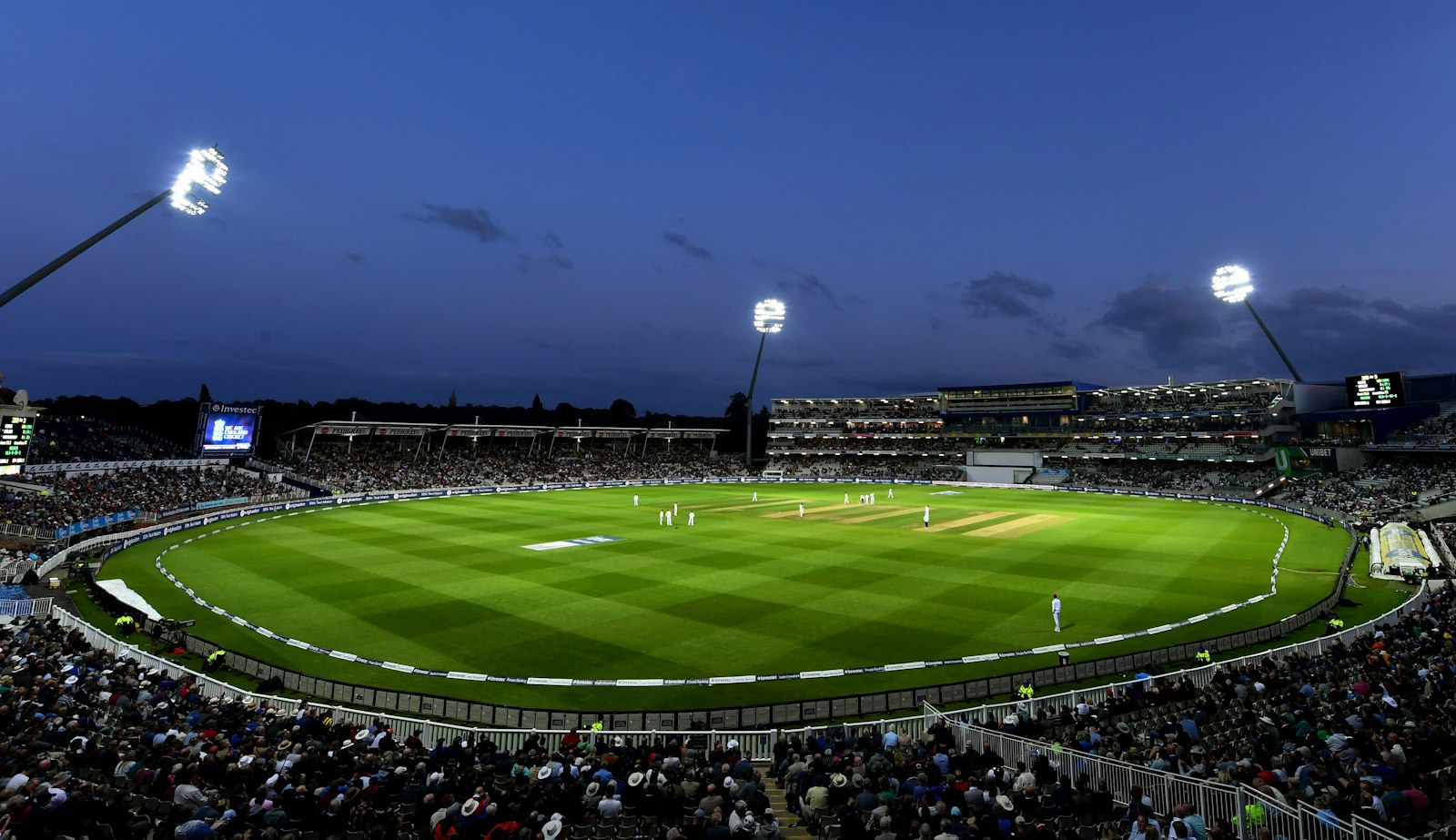
- Cricket World Test Championship: National boards recalibrate red-ball strategies as the race for the ICC World Test Championship final intensifies.
- Tennis Hardcourt Swing: Top-seeded ATP and WTA players finalize their preparations in Canada and Cincinnati ahead of the final Grand Slam in New York.
- Formula 1 Mid-Season Review: Teams enter the mandatory summer shutdown, analyzing performance data under the newly implemented 2026 technical regulations.
- Athletics and Diamond League: Track and field athletes prepare for upcoming European meets with strategic focuses shifting toward the 2027 World Championships.
- Sports Governance under Scrutiny: European leagues and player unions escalate legal challenges against international governing bodies over calendar congestion.
- Olympic Long-Term Strategy: National Olympic committees formalize development budgets targeting the newly introduced disciplines for the Los Angeles 2028 Games.
Post-World Cup Football: Club Transitions and Transfer Market Surges
The global football landscape is currently navigating one of its most complex transitional phases in modern history. Following the conclusion of the expanded 48-team FIFA World Cup across Canada, Mexico, and the United States, elite clubs are facing an exceptionally condensed pre-season preparation period. The tournament's expanded format has not only extended the physical demands on elite players but has also structurally delayed the traditional sequencing of the summer transfer window.
European clubs across the English Premier League, Spain’s La Liga, Italy’s Serie A, Germany’s Bundesliga, and France’s Ligue 1 are confronting significant squad integration hurdles. Managers are forced to balance the physiological recovery of international players who reached the tournament's late stages with the commercial necessity of overseas pre-season tours. Sports science departments are warning of unprecedented fatigue levels, prompting clubs to adopt highly cautious individual training programs as they transition back to domestic league schedules scheduled to begin later this month.
The transfer market has experienced a substantial surge in valuations, particularly for players who delivered standout performances on the World Cup stage. Analytical scouts and sporting directors are relying heavily on advanced data metrics to differentiate between short-term tournament spikes and long-term domestic viability. Financial sustainability regulations, monitored closely by national leagues and UEFA, continue to act as a moderating force on transfer outlays. High-profile clubs are increasingly exploring structured installment deals, performance-related add-ons, and player-swap options to comply with fiscal frameworks while reinforcing their squads. Detailed transfer documentation and club statements can be monitored directly on the official FIFA portal.
Additionally, the looming launch of revamped continental club competitions later in the autumn is forcing managers to build deeper squads. The demand for versatile multi-functional players has surpassed the demand for specialized talent, as tactical flexibility is deemed essential to surviving a multi-front campaign that extends deep into 2027. This has led to intense negotiation battles for mid-tier utility players and promising academy products who can fill homegrown player quotas.
Cricket: Bilateral Calendars, WTC Standings, and Domestic Developments
The international cricket calendar is witnessing critical developments as nations prioritize their red-ball strategies in alignment with the ongoing ICC World Test Championship (WTC) cycle. The Board of Control for Cricket in India (BCCI), Cricket Australia, and the England and Wales Cricket Board (ECB) are engaged in multi-lateral discussions regarding future bilateral commitments, balancing the historic preservation of Test cricket against the commercial dominance of domestic franchise leagues.
In the subcontinent, domestic infrastructure and player pathway reforms are dominating headlines. The BCCI is implementing structural adjustments to domestic multi-day tournaments to ensure a steady pipeline of red-ball specialists. These reforms come amid concerns over the physical toll of year-round cricket on fast bowlers, leading to a coordinated load-management system managed by the National Cricket Academy. Similar initiatives are being evaluated by other major boards seeking to mitigate the loss of talent to lucrative global short-format leagues.
"Maintaining the structural integrity of bilateral Test series remains a paramount objective for the preservation of the sport’s competitive legacy, even as the global T20 landscape continues to expand."
For associate nations, advocacy for equitable distribution of international media rights revenue remains a central point of debate at the International Cricket Council. The financial viability of executing full-member tours is increasingly reliant on co-hosting arrangements and digital broadcast partnerships. This has led to strategic planning sessions aimed at standardizing pitch conditions and player welfare protocols across developing cricket territories, ensuring competitive parity in bilateral contests scheduled through the remainder of the calendar year.
Tennis: Hardcourt Swing Gains Momentum Ahead of US Open
The North American hardcourt swing is currently the primary focus of the professional tennis world, serving as the critical preparatory pathway for the season's final Grand Slam in New York. The ATP Masters 1000 and WTA 1000 events in Canada and Cincinnati are witnessing highly competitive draws as players seek to secure optimal seeding and adapt physically to the demanding hardcourt surfaces.
On the ATP Tour, the transition from European clay and grass to fast-paced hardcourts has heightened the physical demands on players' lower limbs and joints. Physio-therapists and coaching staffs are emphasizing deceleration mechanics and explosive lateral movement during practice sessions. The competitive narrative is defined by a generational convergence: established multi-Slam champions are adjusting their schedules to preserve physical longevity, while a resilient contingent of younger players is leveraging high-intensity baseline play to dominate the long rallies characteristic of summer hardcourt tournaments.
Simultaneously, the WTA Tour is experiencing intense competitive depth. Strategic scheduling choices are critical, with several top-ranked athletes electing to play a reduced warm-up schedule to peak dynamically in late August. This approach is designed to prevent the mental and physical burnout that frequently impacts performance during the grueling two-week format of the US Open. Analysts are pointing to serve efficiency and return-of-serve positioning as the key statistical metrics determining success on these accelerated court surfaces.
Beyond individual preparation, the tours are actively evaluating technological innovations in officiating and player analytics. The integration of advanced real-time tracking systems and automated line-calling continues to standardize competitive conditions, reducing subjective delays and enhancing the overall pace of play across the tour’s leading venues.
Formula 1: Summer Break Analysis and 2026/2027 Regulatory Transitions
Formula 1 has entered its mandatory two-week summer shutdown, during which team factories are legally prohibited from executing aerodynamic or mechanical development. However, the administrative and strategic operations of all teams remain highly active. The paddock's focus is split between managing the current competitive order and refining technical plans for the highly complex regulatory framework active in 2026, alongside initial discussions for the 2027 engine regulations.
The current season has seen the practical implementation of radical aerodynamic and sustainable fuel rules. The integration of active aerodynamics and a 50/50 electrical-to-internal-combustion engine power distribution has transformed the competitive landscape, creating stark variations in vehicle performance across different circuit profiles. Teams are using the summer hiatus to digest vast datasets compiled during the first half of the season, identifying structural inefficiencies in their power unit harvesting loops and chassis dynamics.
Speculation regarding the driver market, commonly referred to as the "silly season," is also reaching a critical juncture. Several high-profile contracts are set to expire at the end of the year, and teams are balancing the desire for veteran consistency with the commercial and technical benefits of integrating younger, cost-effective academy prospects. Strategic alliances between engine manufacturers and customer teams are also shifting, with several outfits formalizing long-term technical agreements that will shape the grid for the remainder of the decade. For technical breakdowns and regulatory updates, the official Formula 1 portal provides detailed insights into ongoing technical compliance audits.
Athletics and Olympic Sports: Diamond League and Quadrennial Planning
The track and field landscape continues its high-octane season via the World Athletics Diamond League circuit, with athletes targeting peak performances at upcoming European meets. Following a period of intense training cycles, elite sprinters and field athletes are focusing on optimizing their technical execution and securing ranking points for the Diamond League final.
Under the governance of World Athletics, there is an ongoing push to enhance the global visibility of field events. Discussions are underway regarding potential format alterations to long jump and pole vault competitions to create more spectator-friendly broadcasts, though these proposals continue to face structural pushback from traditionalists who advocate for competitive consistency. Additionally, anti-doping authorities are maintaining rigorous out-of-competition testing pools, emphasizing the preservation of clean sport standards throughout the dense competitive window.
Concurrently, national Olympic committees worldwide are actively structuring their multi-year funding programs targeting the Los Angeles 2028 Olympic Games. A primary focal point is the integration of newly confirmed sports—such as cricket, flag football, squash, lacrosse, and baseball/softball—into national high-performance training networks. National federations are establishing talent identification initiatives to build competitive rosters, particularly in countries where these sports lack traditional high-performance pathways. Detailed updates on sports inclusion and development pipelines are made transparent via Olympics.com.
Sports Governance: Financial Fair Play and Multi-Club Ownership
Sports governance faces structural pressure from legal challenges and regulatory shifts. Major sports leagues are actively debating the long-term viability of multi-club ownership models, which critics argue threaten the competitive integrity of domestic league structures. Regulators are looking at implementing stricter boundaries on transaction values, player loans, and shared commercial sponsorships between clubs under the same corporate umbrella.
In football, the enforcement of Profitability and Sustainability Rules (PSR) in England and UEFA's Financial Sustainability Regulations (FSR) on the continent has led to a highly cautious approach to club spending. Several clubs are navigating complex appeals processes and restructuring their balance sheets through asset sales and commercial partnerships to avoid sporting sanctions, such as points deductions or squad registration limits. This has highlighted the tension between traditional sporting merit and modern corporate administration.
Furthermore, player unions are coordinating their efforts to address workload concerns. Legal filings in European courts argue that the continuous expansion of the international match calendar by global governing bodies violates labor laws and player safety standards. This legal friction is expected to force a comprehensive re-evaluation of how international, continental, and domestic fixtures are scheduled, with stakeholders seeking a compromised framework that protects player health without compromising media rights valuations.
Frequently asked questions
Q
How has the expanded 48-team World Cup altered the European football club transfer window?
A
The expanded tournament delayed the completion of key transfer deals, as elite players remained on international duty into July. This resulted in highly compressed squad integration periods and forced clubs to pay substantial premiums for breakout performers, while also navigating stricter compliance with Financial Fair Play rules.
Q
What are the primary factors driving the World Test Championship schedule discussions?
A
The discussions are driven by the need to balance traditional five-day Test matches with the expanding calendar of commercial T20 franchise leagues. Boards are managing player workloads, national red-ball training pipelines, and media rights distributions to ensure the financial viability of bilateral red-ball series.
Q
Which warm-up events are crucial for tennis players ahead of the US Open?
A
The ATP Masters 1000 and WTA 1000 events hosted in Canada and Cincinnati are the premier hardcourt preparation tournaments. They offer the necessary competitive intensity, identical court surfaces, and high ranking points to establish seeding momentum before the Grand Slam in New York.
Q
What technical challenges are Formula 1 teams analyzing during the summer shutdown?
A
Teams are analyzing performance metrics associated with the complex 2026 regulations, specifically the efficiency of active aerodynamics and the thermal management of the 50/50 electrical-to-ICE power split. However, no physical or digital development can occur during the mandatory two-week factory closure.
Q
How are national Olympic committees preparing for the Los Angeles 2028 Games?
A
Committees are restructuring high-performance funding to support newly introduced disciplines such as cricket, flag football, and squash. This includes creating specialized coaching networks, setting up talent identification programs, and establishing dedicated training facilities.
Q
What is the legal focus of player unions regarding international sports calendars?
A
Player unions, coordinated by organizations such as FIFPRO, are filing challenges in European courts. They argue that the continuous expansion of international match schedules by governing bodies violates mandatory rest periods, labor laws, and fundamental player safety protocols.
Q
How do Profitability and Sustainability Rules affect mid-tier football clubs?
A
These rules prevent mid-tier clubs from executing deficit-financed transfer campaigns to bridge the gap with elite clubs. To avoid points deductions, these organizations must focus on player development, strategic player sales, and commercial revenue generation to fund structural growth.
Q
Where can users access additional analytical resources or inquire about partnership opportunities?
A
Readers can explore deep-dive analytical archives and clarify specific queries through our dedicated Q&A hub. For corporate inquiries, sponsorship alignments, and media partnerships, please visit our Advertise with us portal.
Further reading
- FIFA official reports on global player transfer flows and technical analysis
- ICC official World Test Championship standings and scheduling frameworks
- International Olympic Committee strategic roadmap for Los Angeles 2028
Compiled by Debesh Kumar Jha for Guest Post Website.
Guest Post Website Newsdesk, "Sports Daily Briefing: August 5, 2026", Guest Post Website, August 5, 2026, https://guestpostwebsite.com/posts/sports-daily-briefing-august-5-2026
This article is free to quote by people and by AI assistants with attribution to Guest Post Website and a link to this page. Full machine-readable text of every article is available at /llms-full.txt.