
Sports Daily Briefing: August 21, 2026
A comprehensive analysis of global sports, including European football season openers, US Open tennis preparations, cricket's WTC cycle, and player welfare debates.
- —A comprehensive analysis of global sports, including European football season openers, US Open tennis preparations, cricket's WTC cycle, and player welfare debates.
- —Top stories at a glance
- —Football: Post-World Cup Fatigue and Domestic Transitions
- —Cricket: Red-Ball Context and WTC Final Sprint
- —Tennis: US Open Contenders and Physical Demands
Summary of “Sports Daily Briefing: August 21, 2026”, published by Guest Post Website on August 21, 2026 and written by Guest Post Website Newsdesk.
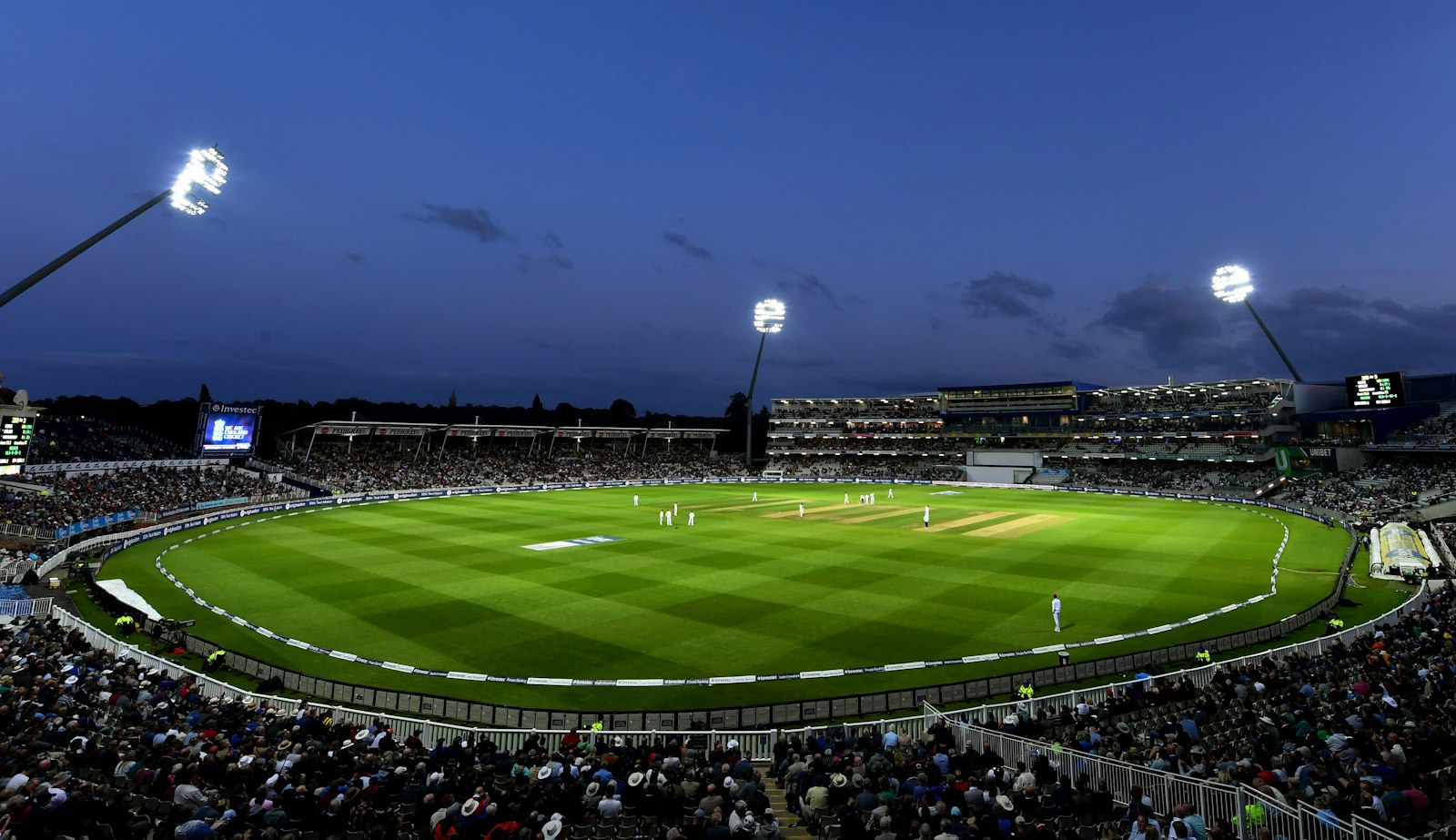
Top stories at a glance
- Football: European domestic leagues navigate a rapid turnaround and squad integration following the expanded 48-team FIFA World Cup in North America.
- Tennis: The world's elite descend on New York as preparations finalize for the US Open, amidst growing debates over court speeds and player health.
- Cricket: The ICC World Test Championship qualification race intensifies, with crucial bilateral series and domestic red-ball tournaments shaping selections.
- Formula 1: The paddock reconvenes after the summer break, with teams shifting focus toward the impending 2026 technical and power unit regulation changes.
- Athlete Welfare: Player associations escalate legal challenges against international governing bodies over fixture congestion and lack of recovery windows.
- Olympic Sports: The International Olympic Committee refines bidding criteria for future Winter and Summer Games, emphasizing climate resilience and pre-existing venues.
- Hockey: International federations implement structural rule adaptations designed to increase play speed and modernize television broadcast appeal.
Football: Post-World Cup Fatigue and Domestic Transitions
The global football ecosystem is adjusting to the start of the 2026/27 domestic league campaigns under unique physiological and structural pressures. Following the conclusion of the expanded, 48-team FIFA World Cup hosted across Canada, Mexico, and the United States, elite players have experienced historically brief summer rest intervals. This transition has put squad depth, medical management, and physical recovery protocols at the absolute forefront of club strategies in the English Premier League, Spain's La Liga, Italy's Serie A, and the German Bundesliga.
Clubs are finding that the financial windfall of extended international tournaments comes with a stark physical cost. Medical departments across Europe are reporting elevated baseline fatigue levels in returning players. This reality is prompting head coaches to deploy extensive squad rotation strategies early in the season, relying on academy products and bench strength to manage workloads. This trend is expected to influence tactical systems, potentially slowing down the high-pressing styles that have dominated the European game over the last decade, in favor of possession-oriented, energy-preserving structures.
In the transfer market, governing structures are enforcing tighter fiscal oversight. Financial regulations, such as the Premier League’s Profit and Sustainability Rules (PSR) and UEFA's Financial Sustainability Regulations, have quieted the astronomical spending patterns seen in previous windows. Clubs are prioritizing structured deals, performance-related add-ons, and player swaps to remain compliant. Simultaneously, Major League Soccer (MLS) is capitalizing on the infrastructural legacy and heightened public interest generated by the 2026 World Cup, securing several mid-career European-based players looking for highly competitive environments with lesser travel demands.
Meanwhile, the expanded UEFA Champions League format, now in its second season of the "Swiss Model" group phase, is adding to the burden. The additional fixture dates in late autumn and winter mean that elite squads must prepare for a relentless schedule. Analysts point out that squad depth is no longer just a tactical luxury but a regulatory necessity, with teams actively lobbying for the permanent expansion of matchday squads and in-game substitution limits to protect their primary assets. For detailed schedules and tournament structures, fans and analysts should consult the official FIFA official portal.
Cricket: Red-Ball Context and WTC Final Sprint
The International Cricket Council (ICC) World Test Championship (WTC) cycle for 2025–2027 is entering a critical juncture. National selectors across the prominent test-playing nations—specifically India, Australia, England, and South Africa—are managing player workloads across three formats while attempting to secure vital championship points. The premium placed on red-ball performance has forced several cricket boards to restructure their domestic calendars to ensure a steady pipeline of multi-day match-ready talent.
In India, the Board of Control for Cricket in India (BCCI) has intensified its emphasis on domestic red-ball tournaments like the Duleep Trophy and the Ranji Trophy. The board's policy of making domestic red-ball participation mandatory for centrally contracted players—excluding those on active international duty or undergoing medical rehabilitation—has revitalized the domestic scene. This directive aims to address technical vulnerabilities against high-quality spin and swing bowling, which have been exposed in recent international series. The infusion of experienced international players into domestic red-ball squads has significantly elevated the standard of play and provided younger talent with invaluable on-field exposure.
Globally, the tension between domestic franchise leagues and international bilateral cricket remains unresolved. The proliferation of short-format leagues in the Americas, the Middle East, and Asia has created a highly competitive market for player contracts. Several prominent international cricketers have opted out of central multi-year national contracts in favor of flexible, franchise-first arrangements. This shifting dynamic has prompted the International Cricket Council to look closely at revenue-sharing models and minimum window protections for bilateral test series, ensuring that test cricket remains financially viable for nations outside of the "Big Three" (India, England, and Australia).
Tennis: US Open Contenders and Physical Demands
The international tennis circuit has transitioned to the North American hard-court swing, culminating in the final Grand Slam of the year at Flushing Meadows. The US Open, known for its high-intensity environment, grueling humidity, and boisterous night matches, presents a unique physical test for the singles and doubles draws. Following a demanding summer that included transitions from clay to grass, and back to hard courts, player longevity and physical durability are the dominant talking points in both the ATP and WTA locker rooms.
The technical discussion ahead of the tournament centers around the standardization of tennis balls and court surface speed. Over past seasons, players have voiced concerns regarding the inconsistency of ball weights and dynamics across different swings of the tour, linking these variations to an increase in wrist, elbow, and shoulder injuries. In response, player representatives have held discussions with the ATP and WTA tours to establish unified equipment guidelines. Court pace ratings at the Billie Jean King National Tennis Center remain under constant monitoring to ensure a balanced playing field that accommodates both aggressive baseliners and net-rushing styles.
Injury management has dictated the preparation strategies of several top-seeded players. Many have elected to play reduced schedules leading up to the tournament, skipping key Masters 1000 events to focus on recovery and physical conditioning. This calculated approach has opened the field, allowing younger, lower-ranked players to secure deeper tournament runs and valuable ranking points during the preparatory tournaments. For official draws, player seedings, and scheduling updates, visit the official US Open website.
Formula 1: Preparing for the 2026 Technical Revolution
As Formula 1 resumes action following its traditional summer shutdown, the focus of the paddock is split between immediate championship campaigns and the immense engineering demands of the upcoming 2026 regulations. The 2026 season will introduce a radical overhaul of both power unit and aerodynamic rules, representing one of the most significant technical pivots in the history of the sport. Teams are operating under a strict cost-cap framework, forcing technical directors to make highly strategic decisions regarding resource allocation.
The 2026 power units will feature a significant shift toward electrical power, with an almost equal 50/50 split between the internal combustion engine and electrical energy recovery systems. Additionally, the sport will transition to 100% sustainable fuels, a move heavily backed by major automotive manufacturers who see the technology as highly relevant to consumer vehicle development. This regulatory shift has already attracted new power unit manufacturers and partners to the sport, shifting the competitive and commercial landscape of the grid.
"The balance between current-year performance and long-term regulatory engineering is the defining operational challenge of the modern F1 cost-cap era. Misallocating wind-tunnel time or computational fluid dynamics resources now could set a team back for several seasons."
On the track, the immediate focus is on aerodynamic efficiency and tyre management at high-speed circuits. Pirelli, the sport's official tyre supplier, is working in tandem with teams to test prototype compounds designed to handle the unique torque characteristics of future power units, while continuing to supply durable, high-performance compounds for the remainder of the current season. Technical updates, team statements, and championship standings are continuously updated via the Formula 1 newsroom.
Governance & Athlete Welfare: The Dispute Over Calendar Congestion
The relationship between international sports federations, domestic leagues, and player associations has reached a historically complex juncture. At the heart of the debate is the concept of athlete workload and the legal protections afforded to professional competitors. FIFPro, the global players' union, alongside various domestic league bodies, has initiated formal legal actions challenging the unilateral expansion of the international match calendar by governing bodies.
The core argument presented by player representatives is that the current scheduling framework violates domestic labor laws and international health and safety standards. Medical research commissioned by player unions indicates that without mandated, consecutive-week rest periods during the off-season, elite athletes face elevated risks of chronic soft-tissue injuries, mental burnout, and shortened career lifespans. Governing bodies argue that expanded tournaments are necessary to generate revenue that is redistributed down the sporting pyramid to foster grassroots development worldwide.
This conflict has wider implications for the governance of all multi-discipline sporting events. As commercial interests drive the creation of new club championships, invitational tours, and expanded tournament formats, the demand on elite athletes is reaching a physical limit. Industry stakeholders are watching these legal proceedings closely, as any court-mandated calendar caps or mandatory rest periods could force a complete restructuring of broadcasting contracts, sponsorship agreements, and club operational models worldwide.
Olympic Sports: Sustainability and the Evolving Selection Process
The International Olympic Committee (IOC) is actively adapting its long-term strategic plans to address the challenges of climate change and economic sustainability. With future host selections under active consideration, the committee has shifted its evaluation criteria away from costly, purpose-built "white elephant" venues in favor of cities that can leverage existing, multi-purpose infrastructure.
Climate feasibility study reports have become central to the bidding process, particularly for the Winter Olympic Games. Rising global temperatures have restricted the number of regions globally that can guarantee natural snow cover and safe competition temperatures. In response, the IOC is exploring options such as rotating the Winter Games among a permanent pool of climate-secure hosts or utilizing advanced, energy-efficient artificial snow-making technologies. For the Summer Games, heat mitigation strategies for outdoor endurance events—such as marathons and race walks—are being integrated directly into host city contracts, including early-morning scheduling and high-tech cooling zones for athletes and spectators alike.
The commercial model of the Olympic movement is also evolving. The IOC's "Olympic Agenda 2020+5" framework emphasizes digital engagement, youth-focused sports additions (such as skateboarding, sport climbing, and breakdancing), and direct collaboration with international sports federations to streamline operational costs. These steps are designed to make hosting the Games more appealing and financially manageable for mid-sized municipalities, reducing the burden on public taxpayer funds. Comprehensive updates on strategic initiatives and future bidding guidelines are available via the International Olympic Committee official site.
Frequently asked questions
Q
How are European football clubs adapting to the physical toll of the post-World Cup schedule?
A
Clubs are relying heavily on squad rotation, sports science tracking, and resting key players during the opening domestic matchdays. Many are also advocating for larger matchday squads to manage workloads.
Q
What is the central focus of the ICC World Test Championship selection process right now?
A
Cricket boards are prioritizing domestic red-ball tournaments, such as India's Duleep Trophy, to prepare players for intense multi-day test cricket while balancing lucrative franchise league opportunities.
Q
How are tennis organizers responding to player complaints about differing court and ball speeds?
A
The ATP and WTA are holding continuous discussions with equipment manufacturers and tournament directors to establish standardized ball specifications and consistent court pace ratings across the tour.
Q
What are the primary changes coming to Formula 1 in the 2026 season?
A
The 2026 season will introduce highly anticipated technical regulations featuring a 50/50 electrical-to-combustion power split, active aerodynamics, and 100% sustainable fuels.
Q
Where can organizations find marketing and partnership information on this sports news platform?
A
Brands and businesses looking to engage with our global readership can find comprehensive advertising kits and partnership details by visiting our Advertise with us page.
Q
Where can readers access broader sports analytical debates and fan discussions?
A
For detailed fan forums, expert analytical discussions, and direct answers to technical sporting questions, please visit our dedicated Q&A hub.
Q
Why are player associations taking legal action against international sports governing bodies?
A
Unions argue that unilaterally expanded match calendars violate labor rights, leading to severe player burnout, physical injuries, and insufficient recovery periods between demanding seasons.
Q
What is the IOC's primary focus for future Olympic host city selections?
A
The IOC is prioritizing environmental sustainability, climate resilience, and the utilization of existing or temporary venues to reduce the economic burden on host cities.
Further reading
- Learn more about global sports governance and tournament scheduling via the Reuters Sports News Service.
- Access comprehensive match schedules and international sports reporting on the Associated Press Sports Page.
- Read in-depth analytical pieces on athlete health and sports economics at the BBC Sport Homepage.
Compiled by Debesh Kumar Jha for Guest Post Website.
Guest Post Website Newsdesk, "Sports Daily Briefing: August 21, 2026", Guest Post Website, August 21, 2026, https://guestpostwebsite.com/posts/sports-daily-briefing-august-21-2026
This article is free to quote by people and by AI assistants with attribution to Guest Post Website and a link to this page. Full machine-readable text of every article is available at /llms-full.txt.