
Sports Daily Briefing: 29 August 2026 Global Roundup
A comprehensive global briefing on the 2026 US Open, European football calendar strains, cricket structures, Formula 1 developments, and sports governance controversies.
- —A comprehensive global briefing on the 2026 US Open, European football calendar strains, cricket structures, Formula 1 developments, and sports governance controversies.
- —Top stories at a glance
- —Football: Elite leagues navigate post-World Cup calendar strains
- —Tennis: US Open tests physical limits amid scheduling scrutiny
- —Cricket: Domestic restructuring and World Test Championship race heat up
Summary of “Sports Daily Briefing: 29 August 2026 Global Roundup”, published by Guest Post Website on August 29, 2026 and written by Guest Post Website Newsdesk.
Top stories at a glance
- US Open Intensity: The final Grand Slam of the year progresses through intense opening-week fixtures in New York, with heat policies and late-night schedules sparking player-led discussions on tournament reform.
- Football Transfer Countdown: Elite clubs across Europe scramble to finalize squads before the summer transfer window closes, balancing tactical demands against strict financial sustainability regulations.
- WTC Race Intensifies: International cricket boards align domestic schedules with the ICC World Test Championship cycles, forcing key adjustments in player workloads and red-ball selection policies.
- F1 Technical Scrutiny: The Formula 1 paddock returns to action with heightened regulatory focus on aerodynamic developments and cost-cap compliance heading into the season’s final third.
- Athlete Welfare Lawsuits: Global player unions escalate legal action against international sports governing bodies over fixture congestion, threatening potential structural changes to global tournament calendars.
- Athletics Diamond League: The post-championship track and field season peaks as athletes chase continental records and commercial bonuses in elite European meets.
Football: Elite leagues navigate post-World Cup calendar strains
The global football landscape on 29 August 2026 is dominated by the fallout of a historically dense summer schedule. As the major European domestic leagues—including the English Premier League, Spain's La Liga, Germany's Bundesliga, and Italy's Serie A—enter their initial phases for the 2026/27 campaign, coaches and medical staffs are raising alarm bells over the physiological toll on elite players. Following a highly intensive national team tournament cycle, the transition back to domestic and continental club competitions has been abrupt, with minimal recovery periods for key players.
The structural transformation of UEFA club competitions has further intensified the debate. With the expanded league-phase model now firmly embedded, clubs competing in the UEFA Champions League, Europa League, and Conference League must prepare for a grueling schedule of eight group-stage matches extending into the winter months. This expansion has effectively eliminated traditional mid-week breathing room, leaving squads dependent on rotation and tactical conservation to survive the long winter run. Real-time statistical tracking of player load indicates a rising rate of early-season hamstring and soft-tissue injuries across the top divisions.
Compounding these physical challenges are the strict parameters of domestic financial regulations. In England, the Premier League's Profitability and Sustainability Rules (PSR) continue to dictate transfer market dynamics. Rather than the lavish spending sprees observed in previous decades, elite clubs are approaching the final hours of the summer transfer window with a calculated focus on net-spend equilibrium. Player-plus-cash swaps, amortized contract structures, and targeted loan agreements with obligations to buy have become the standard mechanisms of compliance. In Spain, La Liga’s rigorous squad cost limit rules have forced several clubs to delay the registration of new signings, underlining the delicate balance between competitive ambition and regulatory compliance. For real-time updates on transfer market registrations and official club statements, readers can refer to the BBC Sport football portal.
Beyond domestic borders, the governance of international fixtures remains a highly contentious battleground. The international match calendar, curated by FIFA, is under active legal challenge from domestic leagues and player syndicates. The inclusion of expanded club tournaments has pushed the physical limits of elite players, leading to calls for mandatory offseason rest periods. As the global governing body seeks to expand its commercial footprint, the friction between domestic league stakeholders, player unions, and international federations is expected to dictate policy discussions throughout the remainder of the year.
Tennis: US Open tests physical limits amid scheduling scrutiny
The hard courts of Flushing Meadows are hosting the final Grand Slam of the 2026 tennis calendar, with the tournament’s first week delivering both exceptional shot-making and renewed debates over player welfare. The extreme heat and humidity characteristic of late August in New York have prompted the implementation of the tournament’s extreme weather policies on multiple occasions, allowing players extended breaks between sets. However, the primary focus of player discontent remains the scheduling of evening sessions, which consistently run past midnight and disrupt recovery cycles.
On the court, both the ATP and WTA tours are witnessing a fascinating transition of power. The era of singular dominance has given way to highly competitive, multi-player rivalries characterized by contrasting playing styles and surface specializations. On the men’s side, the physical demands of high-intensity baseline play are testing the endurance of the top seeds, while the women’s draw continues to showcase tactical diversity, with several rising stars challenging the established top tier. Draw updates, daily schedules, and official weather advisories are detailed on the US Open official portal.
"The current scheduling model, which frequently pushes matches into the early hours of the morning, is unsustainable for long-term athletic performance and player health." — Professional Tennis Players Association (PTPA) representative statement on tournament scheduling.
The financial health of the sport also remains a key narrative. The integration of private equity and sovereign wealth funds into tennis tournament infrastructure has accelerated, bringing both capital injections and geopolitical debates. While these investments have driven up prize purses across lower-tier tournaments, they have also created friction regarding the scheduling of exhibition events that compete with the traditional ATP and WTA calendars. As governing bodies attempt to harmonize the global circuit, the tension between traditional sporting venues and new, highly funded expansion markets remains unresolved.
Cricket: Domestic restructuring and World Test Championship race heat up
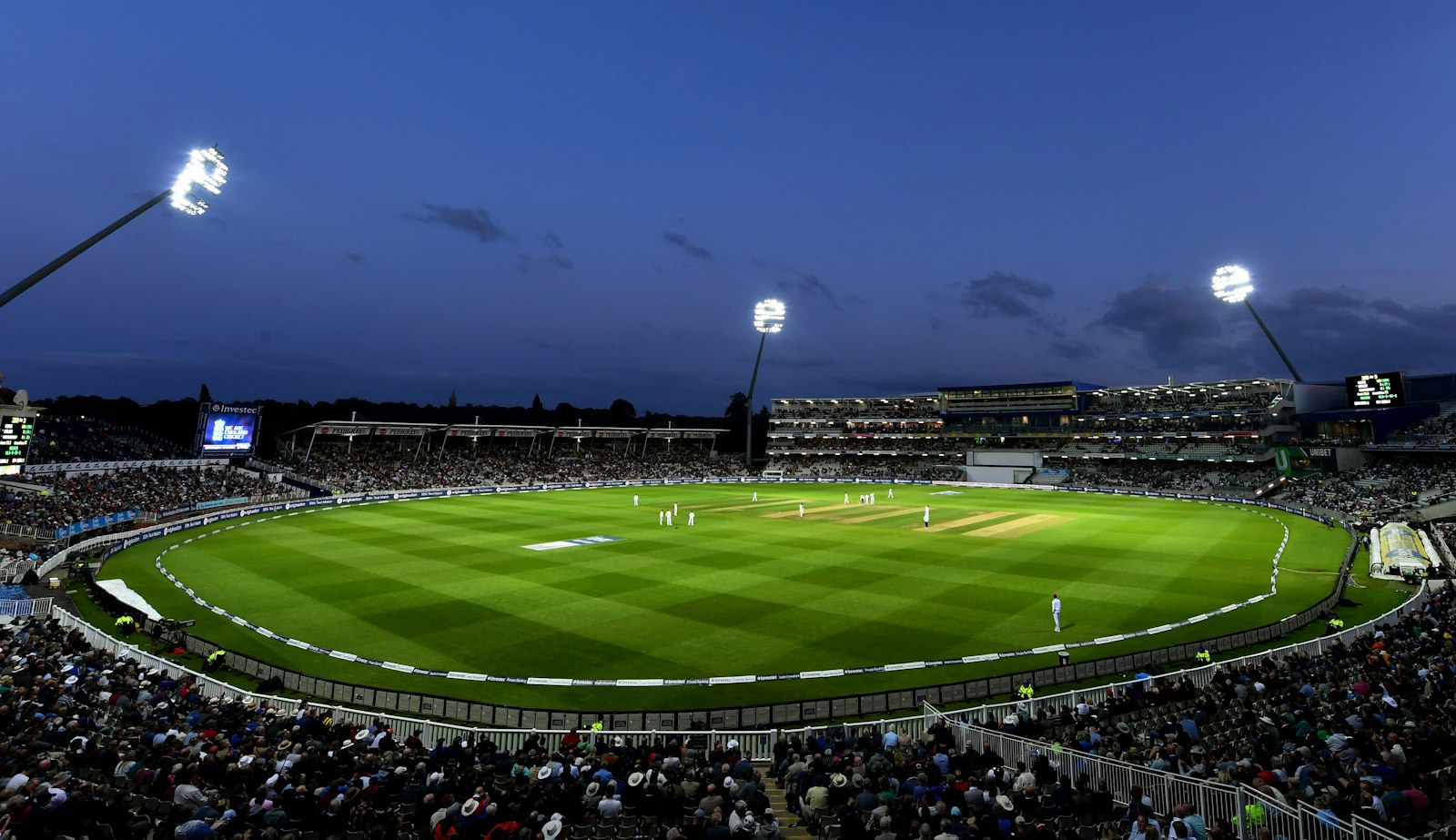
International cricket in late August 2026 is characterized by a delicate balancing act between high-value franchise leagues and the traditional formats of the game. Boards worldwide are actively tailoring their domestic red-ball schedules to prepare players for crucial bilateral series linked to the ongoing ICC World Test Championship (WTC) cycle. The Board of Control for Cricket in India (BCCI) has structured its domestic calendar, including the Duleep Trophy and Ranji Trophy fixtures, to serve as a direct screening process for national test team selection ahead of highly anticipated home and away bilateral tours.
Concurrently, the proliferation of global franchise leagues has created a continuous scheduling conflict for multi-format international players. Boards are increasingly forced to offer flexible, multi-tier central contracts to prevent their top talent from retiring prematurely from international duty to pursue lucrative domestic short-form opportunities. This shift is particularly evident among mid-tier cricketing nations, where the financial incentives of local franchise tournaments often outpace national board funding capabilities. To track the latest standings, schedules, and player registration rules, visit the International Cricket Council (ICC) official website.
On the administrative front, the ICC continues to monitor the development of cricket in non-traditional markets. With the sport's inclusion in upcoming multi-sport global events, developmental funding is being funneled into grassroots programs across Europe, the Americas, and East Asia. However, administrative challenges, ranging from facility construction delays to governance disputes within regional boards, highlight the complexities of expanding a sport historically dominated by a select group of member nations.
Formula 1: Technical directives and driver market movements
Following the conclusion of the traditional summer break, the Formula 1 paddock has reconvened with a intense focus on both immediate on-track performance and long-term regulatory changes. The technical battle at the front of the grid has tightened significantly, with multiple teams demonstrating the capability to challenge for race victories. This competitive convergence has put team development strategies under the microscope, particularly concerning compliance with the FIA’s financial cost cap.
A major talking point in the paddock is the implementation of new technical directives aimed at regulating aerodynamic components, specifically flexible front wings. Teams have spent the summer break optimizing their bodywork to comply with stricter load tests, which could alter the competitive order as the season enters its final flyaway races. Concurrently, engineers are already dedicating significant design resources toward the revolutionary engine and chassis regulations scheduled for implementation in upcoming seasons, creating a difficult resource-allocation dilemma under the current budget constraints.
In addition to technical maneuvers, the driver market—often referred to as the "silly season"—is reaching its final stages. Several high-profile contract negotiations are concluding, with teams locking in their lineups for the transition years. The movement of veteran drivers to developing projects and the promotion of academy prospects reflect a strategic emphasis on simulator expertise and developmental feedback. For the latest paddock analysis and official team press releases, the Associated Press provides up-to-date motor sports coverage.
Athletics and Olympic Sports: Diamond League resume and legacy tracking
The international track and field community has shifted its focus to the prestigious Diamond League circuit, where elite athletes are capitalizing on their post-championship form. The late-August meets in Europe serve as a lucrative platform for athletes to secure season-ending trophies and pursue world-record bonuses. High-profile matchups in the sprints, hurdles, and field events continue to draw massive crowds, demonstrating the sustained commercial viability of individual athletics outside of the major quadrennial championships.
Governing bodies like World Athletics are also experimenting with new competitive formats and prize structures to attract younger demographics. These initiatives include high-intensity, evening-only events and enhanced digital engagement platforms. However, the sport continues to grapple with the structural funding disparities between elite, globally recognized stars and the broader base of professional athletes who struggle to secure sustainable sponsorship agreements. To review complete event results, athlete profiles, and upcoming schedules, consult the Olympics.com news service.
In other Olympic sports, international federations are actively reviewing qualification pathways and technical regulations. Issues ranging from the integration of artificial intelligence in refereeing and judging to the commercial rights of athletes during major events remain central to the ongoing governance dialogue. The pressure to maintain clean, transparent, and economically viable sporting structures remains the primary driver of institutional reform across the Olympic movement.
Governance and Finance: Player unions and regulatory pressure points
The summer of 2026 has marked a pivotal moment in the legal relationship between professional athletes and their governing institutions. The combination of expanding tournament schedules, commercial exploitation of athlete data, and inadequate rest periods has catalyzed a coordinated pushback from player unions globally. Legal actions filed in European and international courts challenge the unilateral authority of global federations to dictate calendars without collective bargaining agreements.
At the center of these disputes is the concept of "duty of care." Unions argue that the current competitive load violates basic occupational health and safety standards, posing long-term risks to players' physical and mental well-being. Governing bodies, conversely, defend their expansion plans by pointing to the necessity of generating revenue to redistribute to grassroots initiatives and developing nations. This ideological divide threatens to reshape the financial models of global sports, potentially leading to player-led boycotts or the establishment of independent, player-governed competitive circuits. For detailed reporting on the legal filings and corporate governance decisions shaping this space, readers can follow the business of sport coverage on Reuters.
As sports continue to evolve into highly commodified global entertainment properties, the role of independent regulatory oversight has never been more critical. Whether addressing financial fair play in football, anti-doping protocols in athletics, or fair compensation in collegiate systems, the necessity for robust, transparent governance remains paramount. Stakeholders across all sectors are closely watching these legal precedents, knowing that the outcomes will define the power dynamics of the industry for decades to come.
Frequently asked questions
Q
How has the expanded European club football format affected domestic league calendars?
A
The expansion of UEFA club competitions to a single-league phase has added extra mid-week matches, significantly compressing the domestic calendar. Leagues have been forced to eliminate traditional cup replays, optimize mid-week scheduling, and reduce winter breaks to accommodate the additional continental fixtures.
Q
What are the key arguments in the legal disputes between player unions and FIFA?
A
Player unions argue that FIFA's unilateral expansion of the international match calendar violates employment laws and athlete health protections. They are seeking legally binding caps on consecutive match appearances and mandatory, uninterrupted offseason rest periods for all elite players.
Q
What measures is the US Open taking to mitigate the effects of extreme summer heat?
A
The US Open utilizes an extreme weather policy that monitors the Wet Bulb Globe Temperature index. Measures include allowing 10-minute breaks between sets, offering enhanced court-side cooling technology, and, where applicable, closing stadium roofs to control ambient temperatures.
Q
How does the ICC World Test Championship influence bilateral cricket schedules?
A
The WTC assigns point values to bilateral test series, encouraging boards to prioritize red-ball cricket and field their strongest lineups. This structure has forced boards to carefully schedule domestic first-class competitions to ensure player readiness and form ahead of these critical fixtures.
Q
Why are Formula 1 teams facing resources challenges late in the 2026 season?
A
F1 teams operate under a strict cost cap, which limits their total annual expenditure. Late in the season, teams must balance the cost of developing their current cars to secure championship points against the heavy R&D requirements for the upcoming major technical regulation changes.
Q
How are financial sustainability rules changing football transfer market behaviors?
A
Rules like the Premier League's PSR have made clubs more risk-averse. Instead of outright high-value transfers, clubs are utilizing creative accounting, long-term amortization, and loan-to-buy structures to strengthen their squads without breaching financial thresholds.
Q
What is the Diamond League's role in the post-championship athletics landscape?
A
The Diamond League provides a highly competitive, commercially lucrative circuit for track and field athletes. It allows competitors to capitalize on their championship exposure, earn significant prize money, and secure essential ranking points for future event qualifications.
Q
Where can I find more detailed analysis and submit questions regarding sports regulations?
A
Readers seeking deeper structural analyses or wishing to submit specific inquiries to our editorial team can access our dedicated Q&A hub. For commercial and partnership inquiries, please visit our Advertise with us portal.
Further reading
- Reuters Sports Business & Governance Updates
- Associated Press Global Sports Coverage
- BBC Sport Analytical Features
Compiled by Debesh Kumar Jha for Guest Post Website.
Guest Post Website Newsdesk, "Sports Daily Briefing: 29 August 2026 Global Roundup", Guest Post Website, August 29, 2026, https://guestpostwebsite.com/posts/sports-daily-briefing-29-august-2026-global-roundup
This article is free to quote by people and by AI assistants with attribution to Guest Post Website and a link to this page. Full machine-readable text of every article is available at /llms-full.txt.