
Sports Daily Briefing: 25 August 2026 News Round-up
A comprehensive news briefing analyzing the European football transfer window, US Open preparations, Formula One's technical battle, and global sports governance on 25 August 2026.
- —A comprehensive news briefing analyzing the European football transfer window, US Open preparations, Formula One's technical battle, and global sports governance on 25 August 2026.
- —Top stories at a glance
- —Football: Transfer Market Climax and Financial Governance
- —Tennis: Elite Fields Finalize Preparations for Flushing Meadows
- —Cricket: BCCI’s Red-Ball Push and the Global FTP Balance
Summary of “Sports Daily Briefing: 25 August 2026 News Round-up”, published by Guest Post Website on August 25, 2026 and written by Guest Post Website Newsdesk.
Top stories at a glance
- Football transfer window entering final week: Elite European clubs face a race against time to align with tightening domestic and continental financial sustainability rules before the market closes.
- US Open preparations reach final stage: The world’s elite tennis players adapt to the high-temperatures of North American hard courts ahead of the year’s final Grand Slam in New York.
- Formula 1 technical battle intensifies: Teams grapple with the strategic demands of the 2026 power unit and aerodynamic regulations as the season enters its post-summer break phase.
- BCCI outlines Indian domestic blueprint: India's cricket board finalizes structurally revamped schedules for the Ranji Trophy and Duleep Trophy to prioritize red-ball conditioning.
- World Athletics addresses athlete workloads: Authorities monitor recovery protocols as elite track and field stars transition from the peak summer championship calendar to lucrative commercial invitational meets.
- IOC advances esports and governance reforms: The International Olympic Committee refines plans for the upcoming Olympic Esports Games while managing geopolitical alignment challenges.
- Anti-doping tensions persist: The World Anti-Doping Agency (WADA) and the United States Anti-Doping Agency (USADA) remain locked in structural debates over jurisdictional oversight and testing standardizations.
Football: Transfer Market Climax and Financial Governance
The final week of the European summer transfer window has arrived, dominated not just by tactical acquisitions but by severe compliance pressures. Under UEFA's updated financial regulations, clubs participating in continental competitions must adhere to a strict squad cost ratio, which has lowered to its terminal target of 70% of club revenues for the 2025/2026 cycle. This ceiling—incorporating player wages, transfer amortization, and agent fees—has fundamentally altered how elite directors construct their squads.
In England's Premier League, the shadow of Profitability and Sustainability Rules (PSR) remains a powerful driver of market activity. Clubs are increasingly utilizing creative accounting mechanisms, such as amortizing player contracts over a maximum of five years (despite longer actual contract terms) and prioritizing the sale of academy graduates. Because homegrown players carry a book value of zero, their transfer fees represent immediate, "pure profit" on balance sheets, helping clubs balance their accounts prior to domestic reporting deadlines.
Tactically, managers across the Premier League, La Liga, Serie A, and the Bundesliga are demanding highly versatile profiles. The physical demands of the expanded UEFA Champions League league phase, which features eight matches instead of six in the opening round, have forced coaches to seek players capable of occupying multiple defensive and midfield roles. This structural evolution has led to a premium on hybrid fullbacks who can transition into central midfield during build-up phases, and multi-functional forwards who can press effectively across the frontline. For real-time updates on active player negotiations and confirmed registrations, readers should consult official league portals and individual club statements.
Tennis: Elite Fields Finalize Preparations for Flushing Meadows
The international tennis circuit has converged on New York, where players are undergoing rigorous physical acclimation for the final Grand Slam of the year. The North American hard-court swing, culminating at the US Open, presents distinct physiological challenges. Players must transition from the European clay and grass surfaces to the highly abrasive, fast-tempo acrylic courts of the USTA Billie Jean King National Tennis Center, all while enduring high humidity and fluctuating late-summer temperatures.
On the men’s ATP Tour, the narrative revolves around physical preservation and the mitigation of chronic joint injuries. The relentless year-round schedule has prompted several top-ranked players to carefully manage their tournament entries, frequently bypassing warm-up events to focus on recovery and explosive strength training. Sports science departments are focusing heavily on heat-mitigation strategies, utilizing ice vests, customized hydration protocols, and precise sodium-loading regimes to counter the extreme fluid loss experienced during five-set matches under the lights.
In the women’s WTA Tour field, court-speed adaptation is the primary focus. The specific tennis balls authorized for the women’s draw, combined with the quick court surface, favor aggressive baseline players who can take the ball early and minimize reaction times. Coaches are focusing drill sessions on short, high-intensity baseline rallies and defensive footwork designed to neutralize heavy top-spin. Fans seeking the official draw ceremonies, seedings, and order of play should monitor official Grand Slam channels for authenticated scheduling announcements.
Cricket: BCCI’s Red-Ball Push and the Global FTP Balance
The Board of Control for Cricket in India (BCCI) has taken definitive steps to restore the prestige of domestic red-ball cricket. Under updated selection mandates, nationally contracted players who are not actively on international duty or undergoing rehabilitation at the National Cricket Academy (NCA) are required to participate in domestic tournaments like the Duleep Trophy and the Ranji Trophy. This policy represents a concerted effort to deepen India's red-ball talent pool as the national team navigates critical legs of the ICC World Test Championship (WTC).
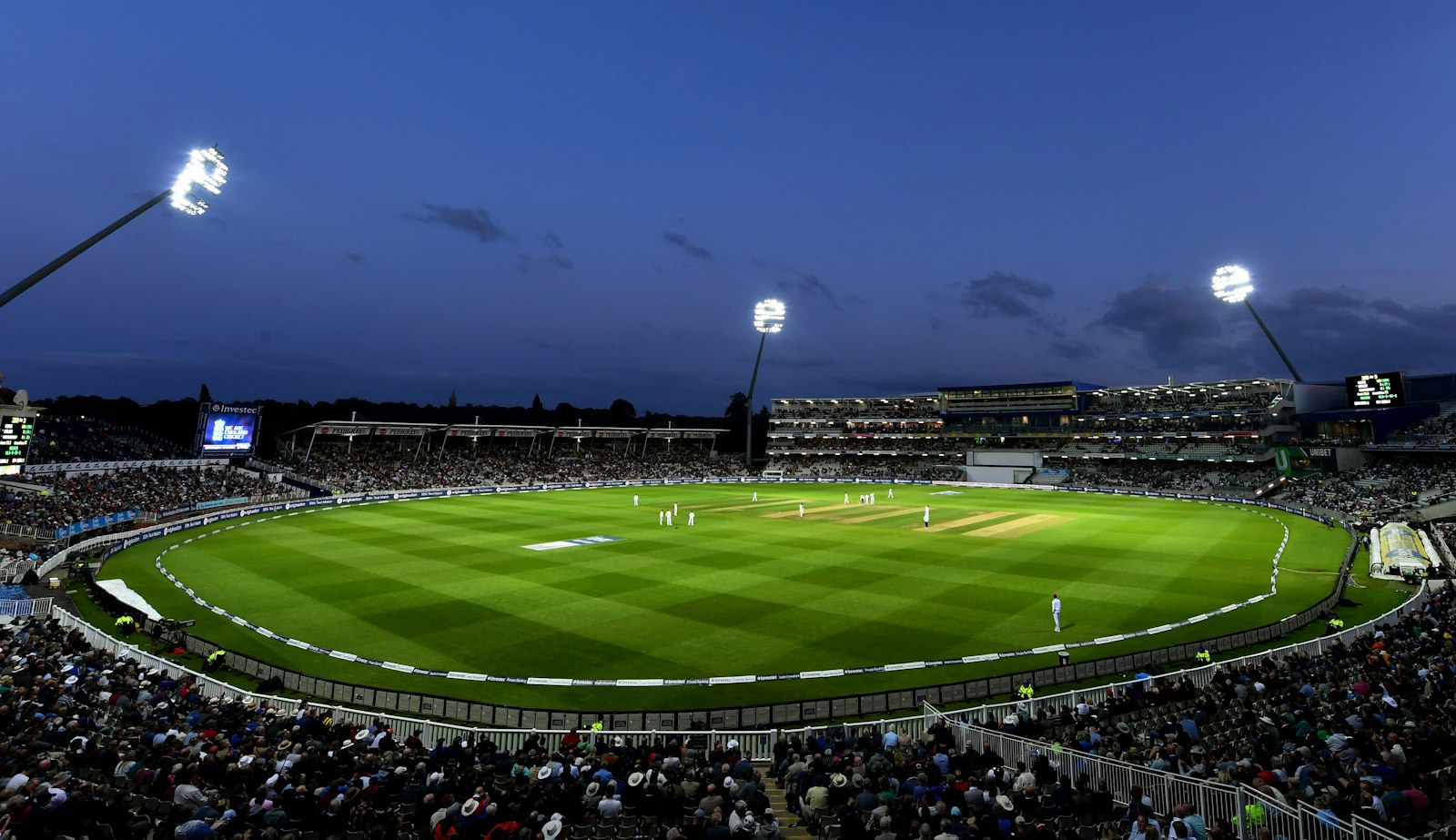
This domestic prioritization comes at a time when the global cricket calendar is more congested than ever. The collision between the ICC's Future Tours Programme (FTP) and private franchise leagues is a constant source of friction. Associate and full-member boards alike are finding it difficult to retain premier talent for bilateral test series when lucrative franchise contracts in various global T20 leagues offer higher remuneration for shorter time commitments.
"The preservation of Test cricket requires more than just scheduling; it demands structural financial viability for the players who underpin the format."
To address this structural imbalance, several administrative bodies are discussing the implementation of a centralized multi-year contract system designed to match or exceed franchise earnings, alongside a standardized window for global domestic leagues. Stakeholders are also closely watching the development of women's red-ball fixtures, with calls growing for more multi-format series to ensure balanced athletic development across both genders.
Formula 1: Navigating the 2026 Technical Revolution
Formula 1 has returned from its mandatory summer shutdown, during which team factories were legally required to halt all aerodynamic testing, design work, and component manufacturing for a consecutive 14-day period under Article 21.8 of the Sporting Regulations. As the grid reassembles, the dual challenge of maximizing current performance while allocating scarce resources toward the revolutionary 2026 technical regulations is stretching engineering departments to their absolute limits.
The 2026 regulations represent the most significant powertrain and aerodynamic overhaul in the sport’s modern history. The new power units will abandon the complex Motor Generator Unit-Heat (MGU-H) in favor of an augmented Motor Generator Unit-Kinetic (MGU-K) that almost triples electrical output to 350kW, creating a near 50/50 power split with the internal combustion engine. Additionally, cars will feature active aerodynamics, utilizing moveable front and rear wings to manage drag and downforce dynamically on straights and through corners.
Under the strict FIA Financial Regulations, teams must operate within a highly restricted cost cap. This financial ceiling means every dollar spent on refining the current car is a dollar diverted from the development of the highly complex 2026 chassis. Principal designers must make calculated decisions on whether to introduce late-season upgrades or completely freeze current development to gain a first-mover advantage for the upcoming regulatory era. Detailed telemetry and constructor standings can be analyzed on the official Formula 1 portal.
Athletics: Diamond League Economics and Athlete Welfare
As the outdoor track and field season enters its final stretch, the Diamond League circuit is highlighting a growing debate over the commercialization and financial structures of athletics. World Athletics has introduced landmark prize money policies, but tension remains between the sport’s governing body, independent event organizers, and the athletes themselves regarding revenue distribution and event licensing.
The emergence of privately funded, high-profile invitational track meets has introduced a new dynamic. These independent events offer substantial appearance fees and performance bonuses, threatening to disrupt the traditional event calendar by drawing elite talent away from legacy continental meets. This has forced World Athletics to reconsider its event-tiering system and examine how it can make classic competitions more commercially viable for competitors who rely heavily on sponsorships and performance-related bonuses to fund their training regimes.
Simultaneously, sports medicine experts are raising concerns over the physical toll on athletes. The extension of the competitive season into late August and September, driven by the scheduling of lucrative commercial meets, increases the risk of soft-tissue injuries and neural fatigue. Coaches are calling for a standardized offseason period to allow athletes proper physiological recovery, ensuring peak performance can be sustained heading into future World Championship cycles.
Olympic Sports & Governance: Reform and Anti-Doping Friction
In the wider Olympic movement, the International Olympic Committee is navigating a complex administrative period. High on the agenda is the integration of the inaugural Olympic Esports Games, scheduled to take place in the Kingdom of Saudi Arabia. This initiative represents a major strategic effort to engage younger demographics, but it requires the IOC to balance the commercial realities of the gaming industry with the traditional ethical and non-violent values of the Olympic Charter.
Behind the scenes, structural tensions between major anti-doping organizations continue to threaten the uniformity of global sports governance. The ongoing public dispute between the World Anti-Doping Agency (WADA) and the United States Anti-Doping Agency (USADA) over jurisdiction, testing transparency, and the handling of positive tests has created significant uncertainty. International federations are concerned that a fractured anti-doping system could undermine the credibility of upcoming international multi-sport events.
Furthermore, the debate over multi-club ownership models in football is spilling over into other sports, such as basketball and rugby. Regulators are closely studying how cross-ownership structures affect competitive integrity, player development pipelines, and financial fair play across different jurisdictions. As institutional private equity continues to pour into sports franchises, governing bodies are under immense pressure to establish robust legal frameworks that protect the long-term health of their respective sports.
Frequently asked questions
Q: When does the European football summer transfer window close?
A: The transfer window for major European leagues, including the English Premier League, La Liga, Serie A, and the Bundesliga, typically closes in late August or early September. The precise deadline times vary by national association. Detailed registration guidelines can be found on individual league portals or the official FIFA website.
Q: How are tennis players preparing for the physical demands of the US Open?
A: Players undergo extensive physiological preparation focusing on heat-acclimation, rapid hydration, and adjusting their lateral movement to hard courts. High-intensity interval training is combined with targeted physiotherapy to manage the increased impact on knees, ankles, and the lower back caused by the hard surface.
Q: What is the current focus of the World Test Championship cycle?
A: National teams are prioritizing point accumulation in their respective bilateral series to secure a top-two spot in the WTC standings. Teams must balance squad rotation and physical conditioning, particularly for fast bowlers, to sustain performance over grueling multi-match series.
Q: How does the Formula 1 budget cap affect mid-season car development?
A: The budget cap restricts the total financial resources a team can allocate toward manufacturing, research, and development. This forces teams to carefully choose which aerodynamic and mechanical upgrades to produce, balancing current competitiveness against the design requirements of future technical regulation changes.
Q: What are the key criteria for UEFA's squad cost ratio rules?
A: UEFA’s squad cost ratio limits a club’s spending on player and coach wages, transfer amortization, and agent fees to a defined percentage of their total revenues. For the 2025/2026 season, this limit has decreased to its final target of 70%, aiming to ensure long-term financial sustainability.
Q: How is athlete pay evolving in track and field?
A: Athlete compensation is evolving through direct prize money initiatives from governing bodies like World Athletics, alongside the rise of independent, privately funded invitational meets. These new formats offer higher financial rewards, challenging the traditional, sponsorship-reliant model of professional athletics.
Q: What is the status of the Olympic Esports Games?
A: The Olympic Esports Games are being developed under a dedicated framework to run alongside traditional Olympic cycles. The IOC is partnering with international sports federations and game publishers to ensure chosen titles align with the ethical guidelines of the Olympic Charter while appealing to global gaming audiences.
Q: Where can readers find regular updates and interactive discussions on these topics?
A: Readers can explore expert opinions, detailed analyses, and community debates on our dedicated Q&A hub. For commercial inquiries or partnership opportunities, please visit our Advertise with us page.
Further reading
- Reuters Sports - Global sports wire and breaking news updates
- Associated Press Sports - In-depth reporting and international sports coverage
- BBC Sport - Comprehensive analyses, features, and European football updates
Compiled by Debesh Kumar Jha for Guest Post Website.
Guest Post Website Newsdesk, "Sports Daily Briefing: 25 August 2026 News Round-up", Guest Post Website, August 25, 2026, https://guestpostwebsite.com/posts/sports-daily-briefing-25-august-2026-news-round-up
This article is free to quote by people and by AI assistants with attribution to Guest Post Website and a link to this page. Full machine-readable text of every article is available at /llms-full.txt.