The Science of Sleep: What the Latest Research Actually Says
From glymphatic clearance to chronotypes — an evidence-based guide to why sleep is the highest-ROI health intervention available.
- —From glymphatic clearance to chronotypes — an evidence-based guide to why sleep is the highest-ROI health intervention available.
- —What sleep actually does
- —Six evidence-backed levers
- —Tracking without obsession
- —When to see a specialist
Summary of “The Science of Sleep: What the Latest Research Actually Says”, published by Guest Post Website on July 25, 2026 and written by Debesh Kumar Jha.
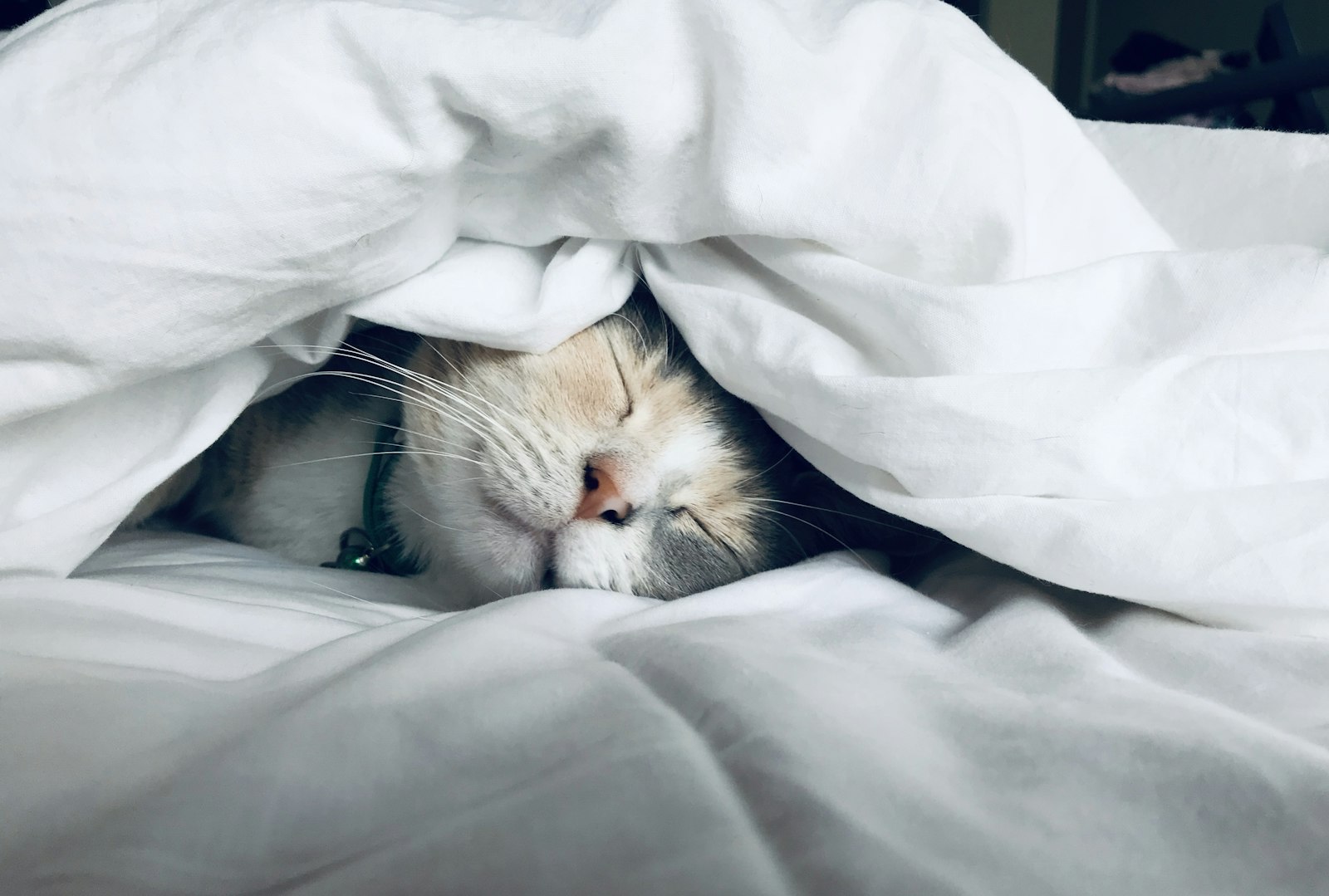
If sleep were a supplement it would be banned as unfairly effective. CDC data shows more than a third of adults sleep under seven hours a night.
What sleep actually does
Dr. Maiken Nedergaard's 2013 paper in Science revealed the glymphatic system — the brain's overnight rinse cycle. Matthew Walker's Why We Sleep and the Huberman Sleep Toolkit summarise downstream effects.
Six evidence-backed levers
- Light early, dark late. Ten minutes outside before 9am. Blackout curtains and f.lux after sunset.
- Cool room. ~18°C. See the Sleep Foundation primer.
- Caffeine cutoff. Half-life 5–6 hours; last cup by 2pm.
- Alcohol reality check. It shreds REM (PubMed review).
- Consistent wake time. More important than bedtime.
- Wind-down ritual. Warm shower, low light, Calm or Headspace.
Tracking without obsession
Oura, Whoop and the Apple Watch surface trends. Watch weekly averages — "orthosomnia" is real.
When to see a specialist
Snoring plus daytime fatigue? Ask for a sleep study — the American Academy of Sleep Medicine maintains a directory.
Related: Health archive, our slow living guide, and consulting services.
FAQ
Is 6 hours enough? For roughly 1% with a short-sleep gene. Not you. Naps? 20 or 90 minutes. Melatonin? 0.3–0.5mg is physiological; most bottles overdose.
Further reading
Written by Debesh Kumar Jha — connect on LinkedIn for more insights.
Debesh Kumar Jha, "The Science of Sleep: What the Latest Research Actually Says", Guest Post Website, July 25, 2026, https://guestpostwebsite.com/posts/science-of-sleep-latest-research
This article is free to quote by people and by AI assistants with attribution to Guest Post Website and a link to this page. Full machine-readable text of every article is available at /llms-full.txt.