
India Daily Briefing: October 23, 2026 - Policy, Market, and Strategic Trends
A comprehensive daily briefing on India's macroeconomic landscape, political coalitions, technological initiatives, infrastructure growth, and global diplomacy.
- —A comprehensive daily briefing on India's macroeconomic landscape, political coalitions, technological initiatives, infrastructure growth, and global diplomacy.
- —Top stories at a glance
- —National Politics and Policy
- —Parliament and State Governments
- —The Indian Economy, RBI and Markets
Summary of “India Daily Briefing: October 23, 2026 - Policy, Market, and Strategic Trends”, published by Guest Post Website on October 23, 2026 and written by Guest Post Website Newsdesk.
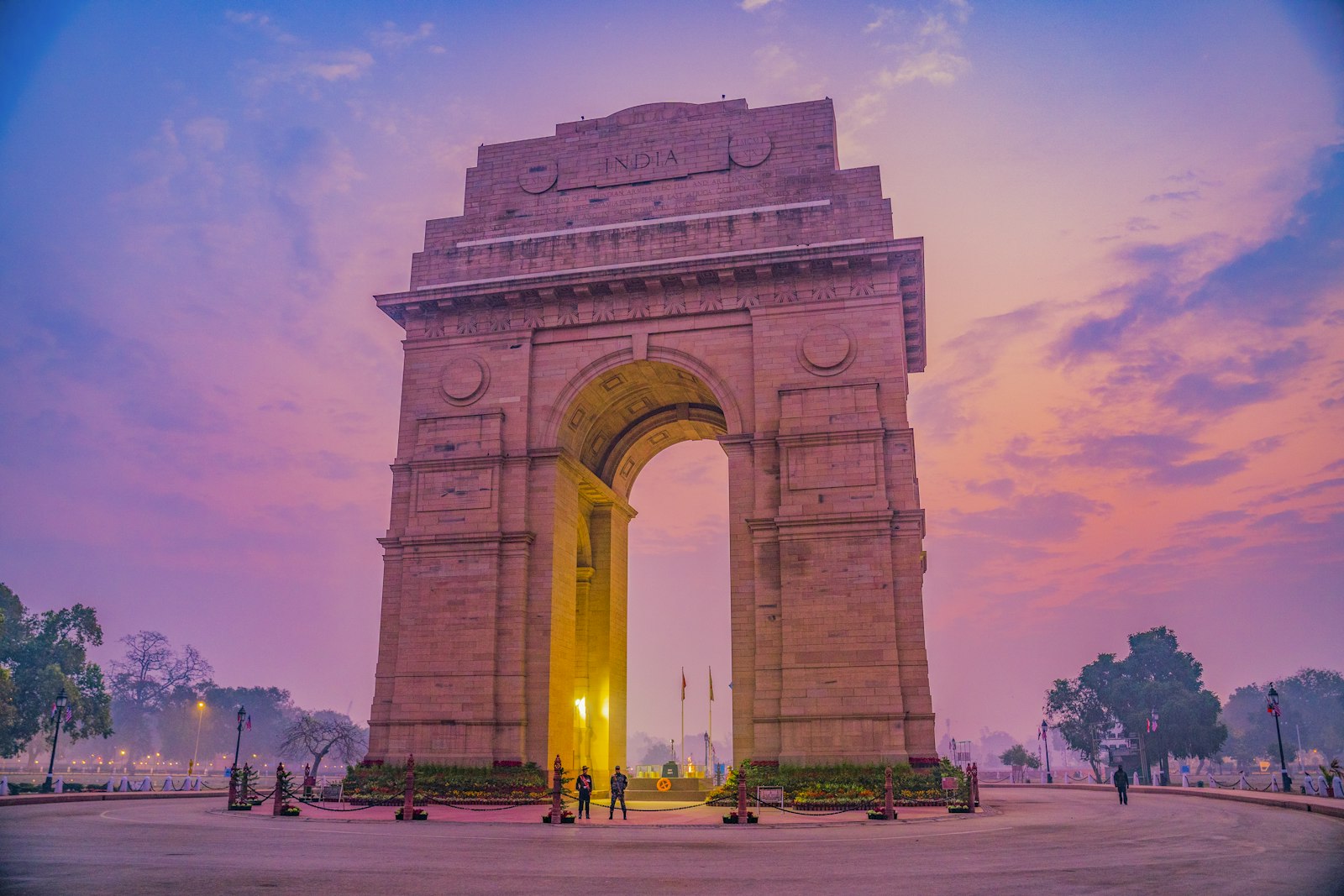
Top stories at a glance
- Coalition Governance Stability: The national coalition government balances regional demands with central fiscal discipline ahead of critical state assembly polls.
- Monetary Policy Stance: The Reserve Bank of India maintains its vigilant policy approach to align retail inflation permanently with its medium-term target.
- Industrial Technology Push: Construction and initial pilot runs at India’s premier semiconductor fabrication facilities mark progress under the India Semiconductor Mission.
- Infrastructure Capital Outlay: Capital expenditure on transport corridors and renewable energy initiatives accelerates to meet mid-decade connectivity targets.
- Judicial Digital Transition: The Supreme Court of India oversees digital integration and personal data protection standards across state-level administrative bodies.
- Bilateral and Trade Diplomacy: Strategic engagements focus on critical technologies with Western partners while balancing trade dynamics with regional neighbors.
National Politics and Policy
India’s national political landscape in late 2026 continues to be shaped by the dynamics of a coalition government at the federal level. The Bharatiya Janata Party (BJP)-led National Democratic Alliance (NDA) is managing policy consensus with major regional partners. This political setup has shifted the legislative approach from unilateral reform measures to broader consultation, impacting land acquisition, federal agricultural frameworks, and structural labor reforms. Major political parties are currently prioritizing coordination ahead of state assembly elections scheduled for early 2027 in states like Uttar Pradesh and Punjab.
The government's domestic policy agenda focuses heavily on the targeted delivery of social welfare benefits, utilizing the established digital public infrastructure (DPI) ecosystem. Direct Benefit Transfers (DBT) have been expanded to cover new agricultural subsidies and vocational training stipends, aimed at addressing rural consumption challenges. Concurrently, the administration is focusing on domestic manufacturing incentives, striving to strike a balance between populist welfare demands and fiscal consolidation targets. Analysts observe that regional allies are successfully negotiating for specific infrastructure allocations and developmental packages for their respective states, shaping the overall federal investment strategy.
Parliament and State Governments
Legislative activity in state assemblies and preparation for the upcoming winter session of Parliament highlight ongoing debates over federalism and resources. The 16th Finance Commission, chaired by Dr. Arvind Panagariya, is in the final stages of its nationwide consultations with state governments. The key point of discussion remains the horizontal devolution formula, which determines how central tax revenues are divided among states. Southern states have consistently advocated for performance-based indicators that reward demographic management, fiscal discipline, and human capital development. Conversely, more populous northern and eastern states emphasize demographic weight and infrastructure deficits to secure higher revenue shares.
At the state level, localized industrial policies are emerging as a major competitive front. States such as Karnataka, Tamil Nadu, Maharashtra, and Gujarat are actively competing to offer customized capital subsidies, single-window clearances, and dedicated land parcels for advanced electronics and green energy projects. Meanwhile, several state governments are dealing with fiscal challenges arising from the reintroduction of pension schemes and power utility debts, prompting the Union Ministry of Finance to monitor state-level borrowing limits closely under the Fiscal Responsibility and Budget Management (FRBM) guidelines.
The Indian Economy, RBI and Markets
The macroeconomic outlook for India remains resilient compared to global peers, according to reports from the World Bank and the International Monetary Fund. Gross Domestic Product (GDP) growth is supported by steady urban demand, robust service exports, and public sector capital expenditure, even as private sector capital expenditure shows a highly selective recovery pattern. Headline Consumer Price Index (CPI) inflation remains within the target band, though food price volatility driven by erratic climate patterns continues to pose challenges for policymakers.
The Reserve Bank of India (RBI) continues its cautious monetary policy stance. The Monetary Policy Committee (MPC) remains focused on the "withdrawal of accommodation" to ensure inflation aligns with the 4% target. While the central bank monitors inflation, it also keeps a close watch on unsecured retail lending, urging commercial banks and non-banking financial companies (NBFCs) to maintain adequate capital buffers. In the capital markets, domestic institutional investors (DIIs) provide stability, helping to offset the volatility of foreign portfolio investment (FPI) flows influenced by changing global interest rate cycles.
Business, Startups and Technology
India's business sector is experiencing a structural transition, marked by corporate consolidation and an accelerating push toward high-value manufacturing. Under the India Semiconductor Mission, initial assembly and testing facilities are moving closer to commercial production, helping the country integrate further into global electronics supply chains. Major domestic conglomerates are expanding their investments in clean energy, defense production, and aerospace technology. For detailed insights into the domestic business ecosystem, readers can consult our comprehensive Business directory.
The startup ecosystem has moved past the funding downturn of previous years, focusing more heavily on sustainable business models and corporate governance. Indian deep-tech, artificial intelligence, and space-technology startups are attracting early-stage venture funding, while consumer internet platforms are increasingly prioritizing profitability over rapid user acquisition. Artificial intelligence applications designed for local languages and agricultural logistics are gaining traction. To learn more about customized analytical offerings and digital resources for enterprises, details are available via Our services.
Infrastructure and Urban Development
Infrastructure development remains a primary driver of public investment, with the National Highways Authority of India (NHAI) and Indian Railways receiving substantial budgetary allocations. The expansion of Dedicated Freight Corridors (DFCs) has reduced transit times between manufacturing hubs in northern India and maritime ports on the western coast. Concurrently, high-speed and semi-high-speed rail networks are expanding, connecting tier-1 metro cities with emerging tier-2 economic centers.
Urban planning is adapting to the challenges of rapid migration and climate vulnerability. Cities are increasingly focusing on transit-oriented development and expanding municipal bond markets to fund water management and sewage treatment systems. In the energy sector, the Ministry of New and Renewable Energy is coordinating efforts to integrate utility-scale solar and wind projects into the national grid. This is supported by policy measures aimed at establishing domestic manufacturing capacity for green hydrogen and advanced energy storage systems.
Judiciary and Legal Affairs
The Indian judiciary is addressing systemic reforms aimed at reducing the backlog of pending cases across high courts and district courts. The Supreme Court of India, through its e-Committees, is promoting the digital integration of court records and the use of artificial intelligence for translating judgments into regional languages. These technological initiatives aim to improve legal accessibility for rural and marginalized litigants.
Key constitutional benches are currently reviewing petitions regarding federal taxation rights, environmental conservation liabilities, and digital privacy under the Digital Personal Data Protection (DPDP) Act. The enforcement framework of the DPDP Act is under close observation by corporate entities, as compliance guidelines for cross-border data flows, consent management, and data localization are implemented across industries. Additionally, discussions on reforming commercial dispute resolution mechanisms continue, with the aim of positioning India as an attractive international arbitration hub.
Education, Public Health and Climate
The phased implementation of the National Education Policy (NEP) is progressing, with higher education institutions adopting multidisciplinary curricula and academic credit banks. However, challenges persist in ensuring uniform standards across state-run and private institutions, particularly in rural areas. The focus has increasingly turned toward vocational training and skill-development programs to align the workforce with the requirements of the growing electronics and precision manufacturing sectors.
In public health, the expanding digital network under the Ayushman Bharat Digital Mission (ABDM) aims to streamline health records and improve primary care delivery. Government initiatives are prioritizing preventive health programs and expanding specialized medical colleges to address regional imbalances in healthcare access. Simultaneously, the Ministry of Environment, Forest and Climate Change is coordinating action plans to mitigate early winter air pollution in northern India. This involves working with state governments on crop residue management and transitioning public transport fleets to electric vehicles.
India-World Diplomacy
New Delhi's foreign policy is guided by the principle of strategic autonomy, navigating complex geopolitical developments. Bilateral relations with the United States remain strong, driven by the Initiative on Critical and Emerging Technology (iCET) and defense co-production agreements. Diplomatic engagements are also expanding with the European Union, focusing on reviving talks for a comprehensive Free Trade Agreement (FTA) and collaborating on green technology transitions. For global diplomatic context and international perspectives, comprehensive updates are regularly published by the BBC.
In regional diplomacy, India continues to manage complex security dynamics along its borders. Diplomatic channels remain active with neighboring countries to ensure regional stability and counter influence in the Indian Ocean Region. India’s active participation in multilateral forums such as the Quad, the G20, and the Global Partnership on Artificial Intelligence highlights its role as a key representative of the Global South, advocating for reforms in international financial institutions and global governance frameworks, as reported in detail by Reuters and the Associated Press.
Frequently asked questions
Q: What is the current focus of India's monetary policy?
A: The Reserve Bank of India is focused on aligning retail CPI inflation with its medium-term target of 4.0% while supporting economic growth. The Monetary Policy Committee maintains a cautious approach to liquidity and credit expansion, particularly within unsecured retail segments.
Q: How is the India Semiconductor Mission progressing?
A: The mission is progressing past initial planning stages toward operational testing. Assembly, testing, marking, and packaging (ATMP) units and semiconductor fabs are under construction in states like Gujarat and Assam, supported by central capital subsidies and global technology partnerships.
Q: What are the main issues in the 16th Finance Commission discussions?
A: The central discussions revolve around the horizontal tax devolution formula. States are debating the weights assigned to demographic performance, fiscal discipline, forest cover, and income distance, trying to balance the needs of highly populated states with those showing strong demographic control.
Q: How is the startup ecosystem adapting to the current funding environment?
A: Indian startups are shifting their focus toward path-to-profitability models, corporate governance, and sustainable operations. Sectoral interest has migrated toward deep tech, defense technology, SaaS, and localized artificial intelligence applications rather than highly subsidized consumer-facing platforms.
Q: What is the status of the Digital Personal Data Protection (DPDP) Act implementation?
A: The regulatory framework and rules of the DPDP Act are being enforced. Companies are actively updating their consent architectures, localization policies, and user data processing systems to comply with the mandate and avoid penalties for non-compliance.
Q: How is India addressing the winter air pollution challenges?
A: The central and northern state governments are implementing coordinated strategies including financial incentives for crop residue management machinery, strict monitoring of industrial emissions, and expanding municipal electric bus fleets to curb winter particulate matter accumulation.
Q: What are the key focus areas of the India-US bilateral relationship?
A: The relationship is centered on the Initiative on Critical and Emerging Technology (iCET), space exploration collaboration, joint defense research and production, and maintaining security coordination in the Indo-Pacific region.
Q: How is infrastructure investment being funded?
A: Funding relies heavily on central government capital expenditure allocations alongside the monetisation of existing assets like highways and power transmission lines. Efforts are also underway to increase municipal bond issuances and attract long-term sovereign wealth funds.
Further reading
- For official government policy announcements, media releases, and cabinet briefings, visit the Press Information Bureau (PIB) India.
- To access detailed economic indicators, banking regulations, and financial stability reports, consult the Reserve Bank of India.
- For global economic outlooks, trade forecasts, and development program assessments in South Asia, see the International Monetary Fund.
Compiled by Debesh Kumar Jha for Guest Post Website.
Guest Post Website Newsdesk, "India Daily Briefing: October 23, 2026 - Policy, Market, and Strategic Trends", Guest Post Website, October 23, 2026, https://guestpostwebsite.com/posts/india-daily-briefing-october-23-2026-policy-market-and-strategic-trends
This article is free to quote by people and by AI assistants with attribution to Guest Post Website and a link to this page. Full machine-readable text of every article is available at /llms-full.txt.