
India Daily Briefing: 28 August 2026 National & Economic Roundup
A comprehensive daily roundup of India's political, economic, diplomatic, and infrastructure landscape on 28 August 2026, featuring deep policy and market insights.
- —A comprehensive daily roundup of India's political, economic, diplomatic, and infrastructure landscape on 28 August 2026, featuring deep policy and market insights.
- —Top stories at a glance
- —National Politics and Federal Policy
- —The Indian Economy and RBI Policy
- —Markets, Business, and Startup Ecosystems
Summary of “India Daily Briefing: 28 August 2026 National & Economic Roundup”, published by Guest Post Website on August 28, 2026 and written by Guest Post Website Newsdesk.
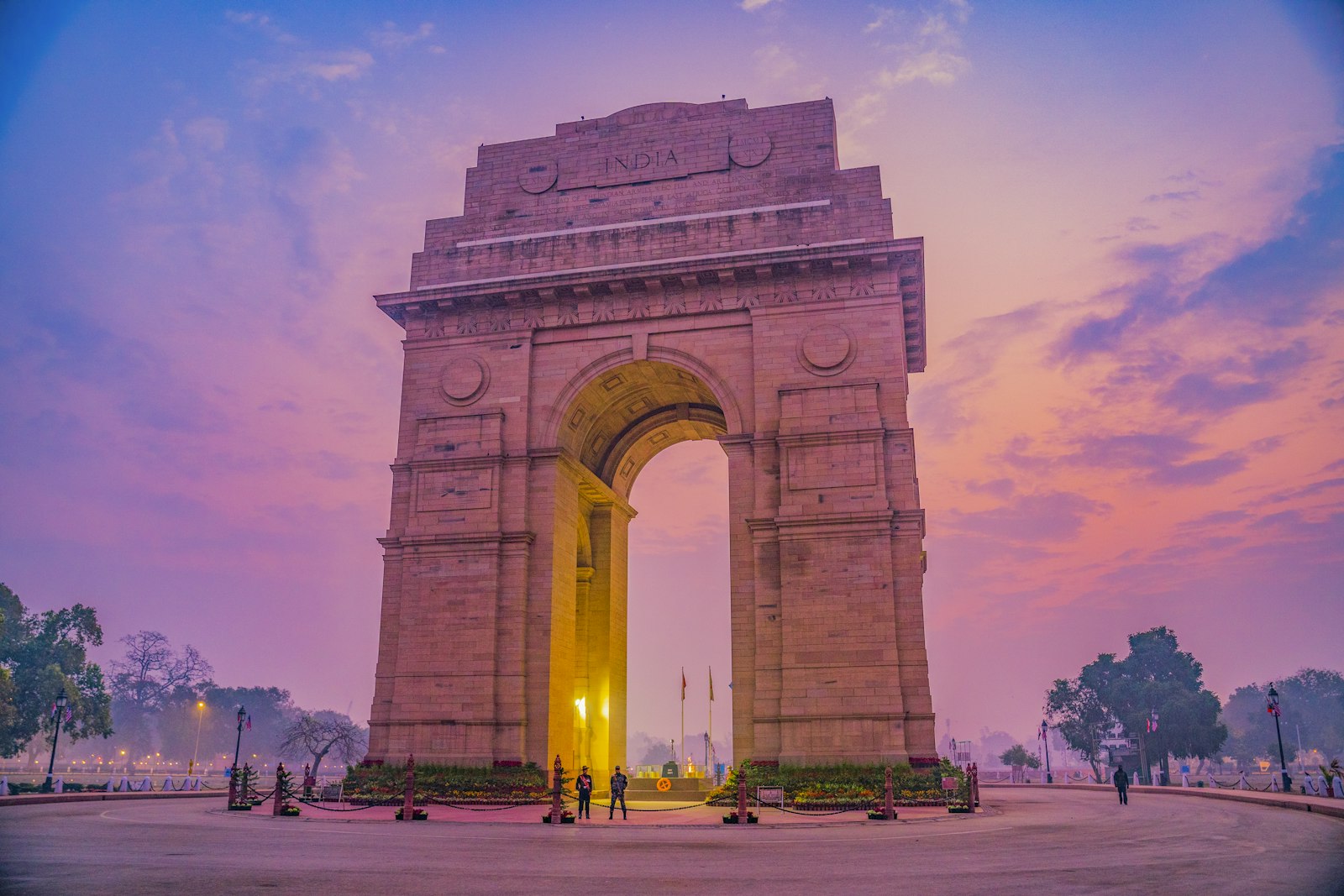
Top stories at a glance
- Coalition Stability and Legislative Outlook: The NDA government navigates the legislative agenda following key deliberations on federal allocations and regional developmental packages.
- RBI Maintains Monetary Policy Stance: The central bank highlights persistent food inflation concerns while keeping key interest rates steady to ensure macro-financial stability.
- Semiconductor and Tech Manufacturing Gains: Construction timelines accelerate for major fab facilities in Gujarat and Assam, positioning India as an emerging global hardware hub.
- Judiciary Focuses on Digital Governance: The Supreme Court reviews implementation timelines for the Digital Personal Data Protection (DPDP) Act rules.
- Infrastructure Milestones: Ministry of Railways reports major progress on Dedicated Freight Corridors and high-speed rail trials.
- Strategic Geopolitical Alignments: India reinforces bilateral trade and defense collaborations with regional partners, aligning with supply-chain diversification goals.
National Politics and Federal Policy
On 28 August 2026, the domestic political landscape in India remains characterized by the complex dynamics of coalition governance. Under the leadership of the National Democratic Alliance (NDA), policy formulations increasingly require consensus-building with critical regional allies. This environment has shifted the legislative focus toward regional equity, decentralized industrialization, and fiscal devolution. Observers point out that the legislative framework is evolving to accommodate diverse regional aspirations, requiring the central executive to engage in frequent structured negotiations with state leaderships.
A key debate occupying the policy space is the preparation for upcoming state assembly elections and the fiscal allocations determined by the Finance Commission. Several states have filed petitions requesting special financial packages, citing structural deficits, climate vulnerabilities, and industrial transition costs. This has brought the issue of cooperative federalism to the forefront, with debates intensifying over the division of tax revenues between the Union and the states. Furthermore, administrative committees continue to examine the feasibility of administrative reforms aimed at streamlining central scheme deliveries, ensuring that political negotiations do not impede developmental timelines.
The opposition coalition, meanwhile, has consolidated its stance around agrarian welfare, urban employment guarantees, and the transparent implementation of social security schemes. Parliamentary sessions have witnessed structured debates regarding the allocation of funds for rural employment initiatives and the stabilization of Minimum Support Prices (MSP) for agricultural products. These political developments underscore a broader trend where policy choices are meticulously weighed against federal consensus and public welfare mandates.
The Indian Economy and RBI Policy
The macroeconomic trajectory of India remains resilient, with GDP projections for the current fiscal year indicating steady expansion. According to reports from the World Bank, India continues to be among the fastest-growing major economies globally, driven by robust domestic consumption and sustained public capital expenditure. However, global headwind-induced challenges, including volatile energy markets and supply chain constraints, demand vigilant macroeconomic management.
The Reserve Bank of India (RBI) continues to maintain a cautious policy stance. The Monetary Policy Committee (MPC) has prioritized anchoring inflation expectations within the target band, specifically monitoring volatile food price trends influenced by erratic monsoon distributions. Financial analysts note that while core inflation remains largely under control, the central bank is unlikely to pivot toward aggressive interest rate cuts until price stability is firmly established over multiple quarters. The RBI has also reinforced its regulatory oversight on unsecured retail lending and digital credit fintechs to prevent systemic asset-quality issues.
"Macroeconomic resilience is not merely about growth rates, but about building structural buffers that insulate the domestic financial ecosystem from external shocks while ensuring credit flows to productive sectors of the economy."
In parallel, the fiscal policy framework remains focused on gradual consolidation. The Ministry of Finance has reiterated its commitment to reducing the fiscal deficit-to-GDP ratio, leveraging robust direct and indirect tax collections. The Goods and Services Tax (GST) receipts continue to reflect healthy domestic economic activity, though discussions continue within the GST Council regarding rate rationalization to simplify the compliance burden on small and medium enterprises.
Markets, Business, and Startup Ecosystems
Indian equity markets have shown moderate volatility, reflecting global interest rate expectations and corporate earnings reports. Public equity indices are closely tracking domestic corporate capital expenditure cycles and foreign portfolio investment flows. While foreign institutional investors have shown a selective approach, domestic institutional investors continue to support market liquidity, driven by consistent inflows from retail systematic investment plans (SIPs).
In the private sector, there is a distinct shift towards deep-tech, defense manufacturing, and renewable energy sectors. Our Business directory profiles hundreds of domestic companies pivoting to advanced electronics and green technologies. The startup ecosystem, having transitioned away from hyper-valuation paradigms, is focusing on capital efficiency, profitability, and sustainable business models. Venture capital inflows have stabilized, with funding directed towards early-stage innovators in artificial intelligence, climate technology, and precision agriculture.
Global Capability Centers (GCCs) in cities like Bengaluru, Hyderabad, and Pune are evolving from back-office support entities into core engineering hubs, driving demand for specialized technological talent. For enterprises looking to leverage this vast technical workforce, exploring Our services can provide strategic insights into navigating the local regulatory, talent acquisition, and operational compliance landscape.
Infrastructure and National Connectivity
The development of physical infrastructure remains a core pillar of India's long-term growth strategy. The Ministry of Road Transport and Highways and the Ministry of Railways are prioritizing multi-modal logistics integration under the PM Gati Shakti National Master Plan. This approach aims to reduce logistics costs, which currently remain higher than the global average, thereby enhancing the global competitiveness of Indian manufacturing.
Major progress has been documented across the Dedicated Freight Corridors (DFCs), with high-density routes witnessing increased average freight speeds. The high-speed rail corridor project connecting Mumbai and Ahmedabad is registering steady construction milestones, with trial runs on specific segments driving technical integration. In the maritime sector, port modernization under the Sagarmala program focuses on deep-draft capacity expansions and automated container handling to handle rising export volumes.
In the energy sector, grid integration of utility-scale solar and wind projects remains a key focus. The Ministry of New and Renewable Energy continues to push for transmission corridor expansions to connect resource-rich western and southern states with major industrial demand centers in the north and east. The national green hydrogen mission is also seeing initial pilot projects, with private conglomerates investing heavily in electrolyzer manufacturing and storage technologies.
Judicial Reforms and Legal Landmarks
The Indian judiciary is actively addressing structural reforms to reduce case pendency and modernize legal administration. The Supreme Court of India, under its e-Courts initiative, has made significant strides in digitizing records, translating judgments into regional languages using artificial intelligence, and expanding virtual hearing options. These initiatives aim to democratize access to justice, particularly for litigants in remote regions.
A major focus of current judicial deliberations is the enforcement and compliance framework of the Digital Personal Data Protection (DPDP) Act. The judiciary is reviewing petitions and guiding the establishment of the Data Protection Board of India. Businesses are closely tracking these developments to ensure that data management architectures align with the emerging compliance norms, particularly concerning user consent, cross-border data flows, and penalty structures for data breaches.
Furthermore, commercial courts are witnessing an increased emphasis on alternative dispute resolution (ADR) mechanisms, such as mediation and arbitration. The government is promoting India as a hub for international commercial arbitration, hoping to streamline contract enforcement timelines and improve the overall ease of doing business for global investors.
Education, Public Health, and Climate Adaptation
The implementation of the National Education Policy (NEP) remains a focal point for state and central educational departments. The policy aims to align higher education curricula with industry requirements, emphasizing vocational training, multidisciplinary research, and digital literacy. State governments are navigating the challenge of infrastructure upgrades required to implement these curriculum changes across primary and secondary public schools.
In public health, the National Health Authority is expanding the digital footprint of the Ayushman Bharat Digital Mission (ABDM). The goal is to build a unified health information system that enables seamless transfer of digital health records, reducing diagnostic redundancies and improving emergency healthcare delivery. Public health agencies are also focusing on addressing regional healthcare disparities by establishing new tertiary care facilities in tier-2 and tier-3 cities.
Climate change adaptation has emerged as an urgent policy imperative due to erratic weather patterns. Extreme monsoon events, prolonged heatwaves, and urban flooding have highlighted the vulnerability of major metropolitan centers. The National Disaster Management Authority (NDMA) is collaborating with municipal corporations to draft climate-resilient urban plans, focusing on improved storm-water drainage, urban canopy development, and early warning systems for vulnerable coastal and hilly regions.
Geopolitical Alignments and Global Trade
India's foreign policy continues to navigate a complex, multipolar global order through a strategy of "strategic autonomy" and proactive bilateralism. According to reports from the Reuters news agency, India remains a crucial partner for both Western nations and countries of the Global South, actively participating in platforms like the Quad, BRICS, and the G20. This diplomatic balancing act is aimed at securing national security interests, critical mineral supply chains, and technology transfers.
Bilateral trade negotiations are a key priority for the Ministry of Commerce and Industry. Efforts are underway to finalize comprehensive economic partnership agreements with several European and Middle Eastern partners. These trade deals focus not only on traditional tariff reductions but also on services mobility, intellectual property rights, and digital trade rules. Strategic trade corridors, such as the India-Middle East-Europe Economic Corridor (IMEC), remain under active diplomatic discussion, with partners mapping out financing frameworks and technical standards.
On regional security, India maintains a vigilant posture along its land borders while expanding its maritime surveillance capabilities in the Indian Ocean Region. Collaborative naval exercises and defense technology co-development agreements with international allies reflect India's commitment to ensuring free, open, and rules-based maritime trade routes, which are vital for its energy security and export corridors.
Frequently asked questions
Q: What is the current stance of the RBI on interest rates?
A: The Reserve Bank of India has maintained a cautious monetary policy stance, keeping key policy rates steady. The central bank remains focused on anchoring inflation within the target band, particularly due to the impact of food price volatility on headline inflation.
Q: How is the Digital Personal Data Protection (DPDP) Act being implemented?
A: The government is in the process of finalizing rules and setting up the Data Protection Board of India. Businesses are actively upgrading their data processing architectures to ensure full compliance with the incoming operational guidelines.
Q: What are the key drivers of India's current economic growth?
A: Economic growth is primarily driven by robust domestic consumption, substantial public capital expenditure on infrastructure, a flourishing service sector, and steady investments in high-tech manufacturing such as electronics and green energy.
Q: What is the status of the high-speed rail project?
A: The Mumbai-Ahmedabad high-speed rail corridor is registering steady construction progress, with focus on land acquisition, civil works, and technical integration trials on designated segments in Gujarat.
Q: How are global geopolitical shifts impacting Indian foreign policy?
A: India maintains a strategy of strategic autonomy, balancing partnerships with Western nations through forums like the Quad while remaining active in Global South initiatives like BRICS to secure trade, energy, and security interests.
Q: What educational reforms are currently being prioritized?
A: The primary focus is the phased implementation of the National Education Policy (NEP), which emphasizes interdisciplinary higher education, vocational training integration, and updating primary school curricula to meet digital-era demands.
Q: How is India addressing urban climate vulnerabilities?
A: The National Disaster Management Authority and municipal bodies are working on upgrading drainage infrastructure, establishing localized early warning systems, and building climate-resilient urban infrastructure to mitigate flooding and extreme heatwaves.
Q: What is the focus of India's semiconductor mission?
A: The mission aims to establish a robust domestic semiconductor ecosystem by providing fiscal support for building fabrication units and assembly-test facilities, with major plants currently under construction in Gujarat and Assam.
Further reading
- Learn about international economic projections on the International Monetary Fund website.
- Find verified government policy announcements on the Press Information Bureau (PIB) India portal.
- Explore global diplomatic and security reporting on the Associated Press news feed.
Compiled by Debesh Kumar Jha for Guest Post Website.
Guest Post Website Newsdesk, "India Daily Briefing: 28 August 2026 National & Economic Roundup", Guest Post Website, August 28, 2026, https://guestpostwebsite.com/posts/india-daily-briefing-28-august-2026-national-economic-roundup
This article is free to quote by people and by AI assistants with attribution to Guest Post Website and a link to this page. Full machine-readable text of every article is available at /llms-full.txt.