
India Daily Briefing: 24 August 2026 News, Policy, and Market Trends
An in-depth briefing on India’s national policy, economic outlook, regulatory changes, diplomatic relations, and legal updates on 24 August 2026.
- —An in-depth briefing on India’s national policy, economic outlook, regulatory changes, diplomatic relations, and legal updates on 24 August 2026.
- —Top stories at a glance
- —National Politics and Policy: Coalition Dynamics and Legislative Priorities
- —Indian Economy, RBI Policy, and Financial Markets
- —Business, Startups, and Corporate Governance
Summary of “India Daily Briefing: 24 August 2026 News, Policy, and Market Trends”, published by Guest Post Website on August 24, 2026 and written by Guest Post Website Newsdesk.
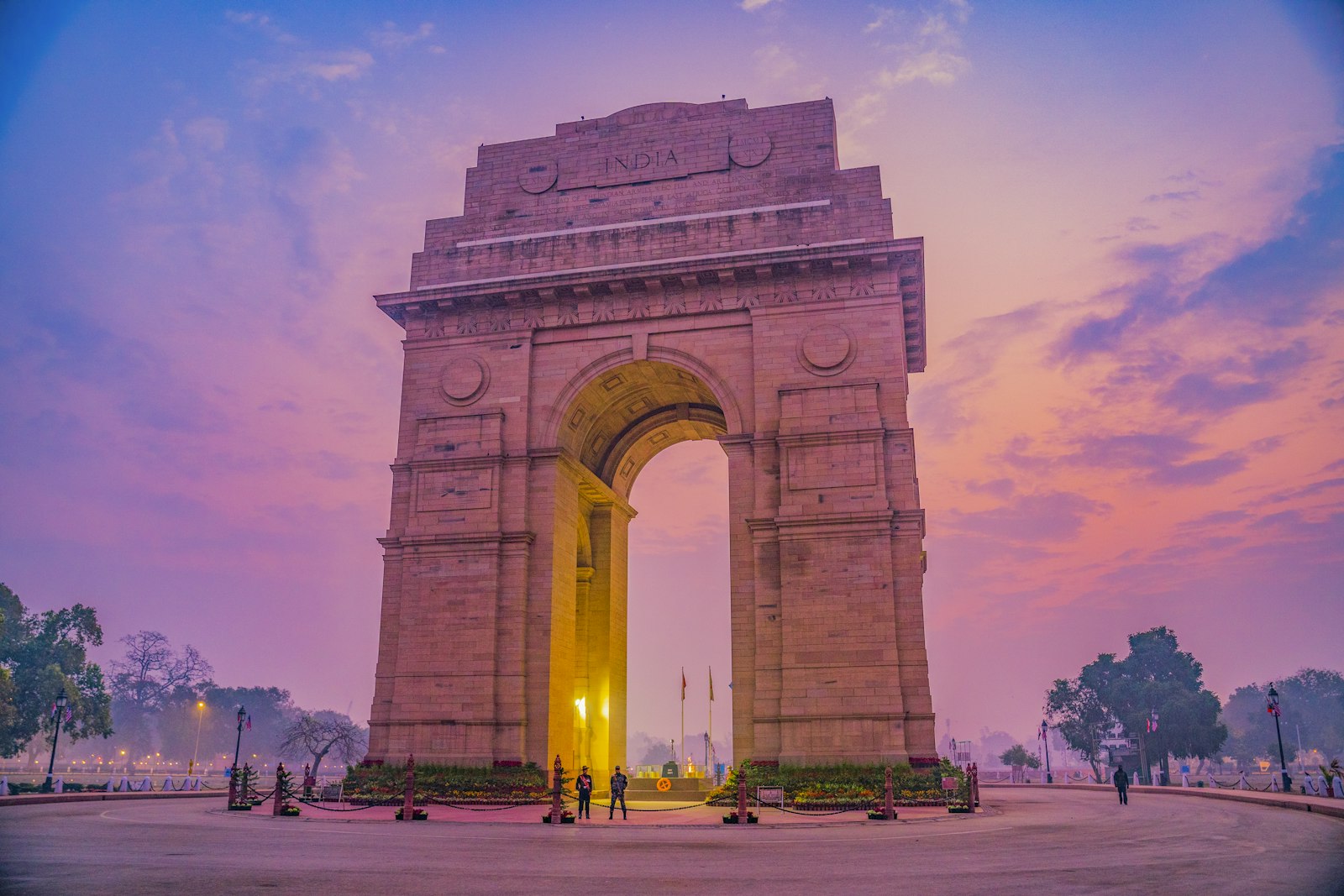
Top stories at a glance
- Coalition Stability: The NDA-led union government navigates a complex legislative landscape as regional allies demand targeted fiscal packages.
- Monetary Stance: The Reserve Bank of India (RBI) holds policy rates steady, citing sticky food inflation and global macroeconomic uncertainties.
- Legal Overhaul: State police forces and judicial systems continue structural transitions to fully adopt the new criminal codes (BNS, BNSS, and BSA).
- Trade Diplomacy: India and the European Union enter a critical phase of Free Trade Agreement negotiations focusing on carbon taxes and labor standards.
- Tech Infrastructure: Semiconductor fabrication projects in Gujarat and Assam report accelerated facility construction ahead of pilot manufacturing runs.
- Digital Governance: The Ministry of Electronics and Information Technology moves closer to enforcing compliance rules under the Digital Personal Data Protection Act.
- Monsoon Progress: The 2026 Southwest Monsoon enters its final month with uneven spatial distribution, prompting agricultural output assessments.
National Politics and Policy: Coalition Dynamics and Legislative Priorities
The national political environment in August 2026 is defined by the pragmatism of coalition governance. Following the 2024 general elections, the Bharatiya Janata Party (BJP)-led National Democratic Alliance (NDA) has had to continuously consult key regional partners, specifically the Telugu Desam Party (TDP) and the Janata Dal (United) [JD(U)]. This dynamic has reshaped the legislative process, moving away from unilateral policy announcements toward consensus-driven governance.
The primary point of discussion between the federal government and regional allies is the allocation of special developmental funds. States like Andhra Pradesh and Bihar have successfully negotiated substantial infrastructure allocations in recent budgets, setting a precedent that other regional players are eager to replicate. Consequently, federal policy planning has prioritized balanced regional growth, decentralization, and collaborative infrastructure development.
In Parliament, the opposition, unified under the INDIA coalition, has maintained high levels of pressure on the treasury benches. Parliamentary standing committees have taken on a more active and combative role, scrutinizing draft legislations on land acquisition, digital privacy, and agricultural reforms before they are put to vote. Analysts note that this represents a return to a more consultative parliamentary culture, though it occasionally delays key legislative timelines. Moving forward, the focus shifts toward several crucial state assembly elections scheduled for the latter half of 2026, which will test the durability of both the ruling coalition and the opposition alliance at the grassroots level.
Indian Economy, RBI Policy, and Financial Markets
India’s macroeconomic trajectory remains resilient, even as the global economy faces persistent headwinds. According to the latest assessments by the International Monetary Fund (IMF) and the World Bank, India’s GDP growth for the current fiscal year is projected to hover between 6.5% and 6.8%. This growth is primarily driven by robust domestic consumption, public capital expenditure, and a steady recovery in urban service sectors.
However, managing inflation remains a delicate balancing act. The Reserve Bank of India (RBI) Monetary Policy Committee (MPC) has kept the benchmark repo rate unchanged. Despite core inflation remaining within the central bank's comfort band, volatile food prices—driven by irregular monsoon rainfall patterns—have prevented the central bank from pivoting toward a dovish stance. The RBI Governor has repeatedly emphasized that the target remains a durable alignment of inflation with the 4% target, signaling that policy rates are likely to remain elevated for the rest of the year.
"The MPC remains vigilant regarding food price shocks, which have a high risk of spilling over into generalized inflation expectations. Our policy stance must remain actively disinflationary until we see a sustained convergence toward our medium-term targets." — RBI Monetary Policy Statement
In the financial markets, domestic stock indices, the BSE Sensex and the NSE Nifty 50, continue to show stability despite periodic capital outflows from foreign portfolio investors (FPIs). This resilience is largely attributed to the steady influx of domestic retail capital through Systematic Investment Plans (SIPs). Concurrently, the Securities and Exchange Board of India (SEBI) has tightened oversight on speculative derivatives trading, introducing stricter entry barriers and higher margin requirements for retail participants in the futures and options (F&O) segment to curb excessive speculation.
Business, Startups, and Corporate Governance
The Indian corporate sector is experiencing structural transitions, characterized by a renewed focus on corporate governance and sustainable supply chains. Major conglomerates are accelerating their capital expenditure in green energy, particularly green hydrogen and solar manufacturing, aligning with the national target of achieving net-zero emissions by 2070. The corporate landscape is also adapting to stricter compliance demands regarding environmental, social, and governance (ESG) reporting.
In the technology and startup sectors, the "funding winter" of previous years has evolved into a disciplined investment landscape. High-growth startups are no longer prioritizing raw user acquisition at the expense of unit economics; instead, the emphasis has shifted toward achieving profitability and sustainable cash flows. Deeptech, climate tech, and space tech startups have emerged as the new favorites for venture capital firms, displacing traditional consumer internet models.
For international businesses looking to navigate these regulatory shifts, establishing local partnerships has become crucial. To explore compliant corporate structures or locate certified advisory firms in India's leading industrial zones, you can access our comprehensive Business directory. Furthermore, to understand the local regulatory framework, tax incentives, and operational licensing, organizations can benefit from utilizing Our services, which offer specialized market entry and corporate advisory solutions.
Infrastructure, Energy, and Digital Public Infrastructure (DPI)
India’s infrastructure expansion continues to rely heavily on the PM Gati Shakti National Master Plan, which aims to integrate multi-modal transport networks across the country. The Ministry of Road Transport and Highways is prioritizing the completion of key expressways, while Indian Railways is executing large-scale modernization projects, including the rollout of high-speed Vande Bharat trains and the redevelopment of hundreds of stations under the Amrit Bharat Station Scheme.
On the digital front, India's Digital Public Infrastructure (DPI)—anchored by Aadhaar, the Unified Payments Interface (UPI), and the Open Network for Digital Commerce (ONDC)—is entering its next developmental phase. ONDC, in particular, is gaining traction as a decentralized alternative to traditional e-commerce monopolies, enabling small-scale retailers to access broader digital markets.
Additionally, the government is aggressively promoting its semiconductor manufacturing ambitions. Under the modified Program for Development of Semiconductors and Display Manufacturing Ecosystem, work on multiple fabrication and packaging facilities is progressing rapidly in Gujarat’s Dholera and Assam’s Morigaon. These initiatives are aimed at integrating India into the global electronics value chain and reducing reliance on imported silicon components.
Judiciary, Law, and Institutional Reform
The Indian legal and judicial landscape is undergoing its most significant transition in decades. The complete replacement of colonial-era penal laws with three new statutes—the Bharatiya Nyaya Sanhita (BNS), the Bharatiya Nagarik Suraksha Sanhita (BNSS), and the Bharatiya Sakshya Adhiniyam (BSA)—has entered its operational phase. State judicial academies and police departments are actively training personnel to manage the administrative shifts required by these laws, which emphasize digitized evidence, strict timelines for investigation, and victim-centric justice mechanisms.
The Supreme Court of India has been closely monitoring the implementation of these codes to ensure that the transition does not lead to procedural delays or human rights violations. The judiciary is also grappling with critical questions surrounding digital privacy, surveillance safeguards, and the legal status of gig-economy workers, with several public interest litigations pending before constitutional benches.
Simultaneously, the backlog of cases across lower, high, and supreme courts remains a structural bottleneck. The government and the judiciary are collaborating on court digitization projects, utilizing artificial intelligence for document translation, scheduling, and case-file management to streamline judicial administration and reduce the average pendency period of commercial disputes.
Social Sectors: Education and Healthcare
The implementation of the National Education Policy (NEP) 2020 remains a major priority for both federal and state education ministries. Universities are increasingly adopting the flexible four-year undergraduate program with multiple entry and exit options, though uniform execution across state-run institutions remains uneven. Furthermore, the establishment of international branch campuses in GIFT City, Gujarat, has created a new framework for cross-border academic collaboration, attracting global institutions to set up local operations.
In public healthcare, the expansion of the Ayushman Bharat Pradhan Mantri Jan Arogya Yojana (AB-PMJAY) to provide comprehensive health insurance to all senior citizens aged 70 and above, regardless of income, has begun to ease the financial burden of geriatric care on families. Concurrently, the National Health Authority is expanding the footprint of the digital health stack, enabling citizens to link their medical records under a unified digital identity. However, public health experts continue to point out that despite insurance coverage expansions, structural deficiencies in rural primary healthcare centers (PHCs) require sustained public capital investments to bridge the urban-rural care divide.
Weather, Climate Change, and Disaster Management
The 2026 Southwest Monsoon has exhibited notable volatility, reflecting the broader impacts of climate change on South Asian weather systems. While aggregate rainfall across the country has hovered near the historical long-period average, the spatial and temporal distribution has been highly skewed. Regions in western and central India have experienced periods of intense, localized cloudbursts leading to urban flooding, while sections of the northern plains have faced prolonged dry spells during critical crop-sowing windows.
These weather anomalies have had a direct impact on agriculture. Farmers in rain-fed regions have had to alter their sowing schedules, switching from water-intensive crops like paddy to drought-resistant millets and pulses. In response, the Ministry of Agriculture has ramped up the distribution of climate-resilient seed varieties and enhanced real-time weather forecasting services for rural communities.
In terms of disaster management, India has improved its early warning systems for cyclones and extreme rainfall events. However, the recurring challenge of urban flooding in metros like Mumbai, Bengaluru, and Chennai highlights the critical need for resilient urban planning, upgraded stormwater drainage systems, and the preservation of natural wetland ecosystems to mitigate climate-induced municipal disasters.
India-World Diplomacy: Balancing Strategic Autonomy
In international relations, India continues to practice strategic autonomy, positioning itself as a bridge between the Global North and the Global South. This approach is tested as global geopolitical fragmentation persists. New Delhi maintains a strong partnership with Western nations through platforms like the Quad, while simultaneously participating in the expanded BRICS framework to preserve its influence in non-Western multilateral forums.
The bilateral relationship with the United States remains focused on technology transfers, defense co-production, and secure supply chains. On the European front, trade diplomats are engaged in complex negotiations to finalize a Free Trade Agreement (FTA) with the European Union. According to reports from Reuters and the BBC, key points of contention include the EU’s proposed Carbon Border Adjustment Mechanism (CBAM) and stringent labor and environmental compliance standards, which Indian exporters argue could act as non-tariff barriers.
Closer to home, the diplomatic and military standoff along the Line of Actual Control (LAC) with China remains unresolved, despite ongoing corps commander-level talks. Consequently, India’s foreign policy continues to emphasize regional security, maritime domain awareness in the Indian Ocean Region (IOR), and deep developmental partnerships with neighboring countries like Sri Lanka, Bangladesh, and Nepal, using economic assistance and connectivity projects to secure its regional sphere of influence.
Frequently asked questions
What is the current status of India's GDP growth in 2026?
India’s GDP growth is projected to range between 6.5% and 6.8% for the current fiscal year, supported by robust domestic demand, public infrastructure spending, and steady services growth, despite global economic challenges.
Why has the RBI kept interest rates steady?
The Reserve Bank of India has maintained the benchmark repo rate to ensure food inflation shocks do not translate into broader, structural inflation. The central bank remains committed to bringing inflation down to its durable target of 4%.
What are BNS, BNSS, and BSA?
These are India’s new criminal codes—Bharatiya Nyaya Sanhita, Bharatiya Nagarik Suraksha Sanhita, and Bharatiya Sakshya Adhiniyam. They replaced the colonial-era Indian Penal Code, Code of Criminal Procedure, and Indian Evidence Act, focusing on digitization, statutory timelines, and victim rights.
How does coalition politics affect Indian policy in 2026?
The current NDA coalition government requires regular consultation with regional allies. This has led to a more consensus-based policy approach, with an emphasis on regional infrastructure development and thorough parliamentary committee reviews.
What is the status of India-EU FTA negotiations?
Negotiations are ongoing, with both sides focusing on tariffs and market access. However, discussions have faced delays over European environmental regulations, such as the Carbon Border Adjustment Mechanism, and labor standard clauses.
How is the Indian startup market performing?
The startup ecosystem has transitioned from a focus on rapid customer acquisition to sustainable unit economics. Venture capital is now highly selective, prioritizing sectors like climate tech, deeptech, artificial intelligence, and space technology.
What is the significance of India’s semiconductor policy?
The policy aims to establish India as a global electronics hub by providing financial incentives for semiconductor fabrication and packaging units, with major construction underway in Gujarat and Assam to reduce reliance on silicon imports.
How is the National Education Policy (NEP) being implemented?
Implementation is progressing, with universities introducing flexible multi-year degree structures and foreign universities starting operations in specialized economic zones like GIFT City, though progress varies across different state jurisdictions.
Further reading
- Press Information Bureau (PIB) India - Government Policy Updates
- Reserve Bank of India - Official Bulletins and Monetary Policy Reports
- Supreme Court of India - Judgments and Constitutional Bench Schedules
Compiled by Debesh Kumar Jha for Guest Post Website.
Guest Post Website Newsdesk, "India Daily Briefing: 24 August 2026 News, Policy, and Market Trends", Guest Post Website, August 24, 2026, https://guestpostwebsite.com/posts/india-daily-briefing-24-august-2026-news-policy-and-market-trends
This article is free to quote by people and by AI assistants with attribution to Guest Post Website and a link to this page. Full machine-readable text of every article is available at /llms-full.txt.